Alibaba Bans Anthropic's Claude Code After Distillation Attack Claim
Alibaba placed Anthropic's Claude Code on an internal high-risk software list, barring employees from using the AI tool.
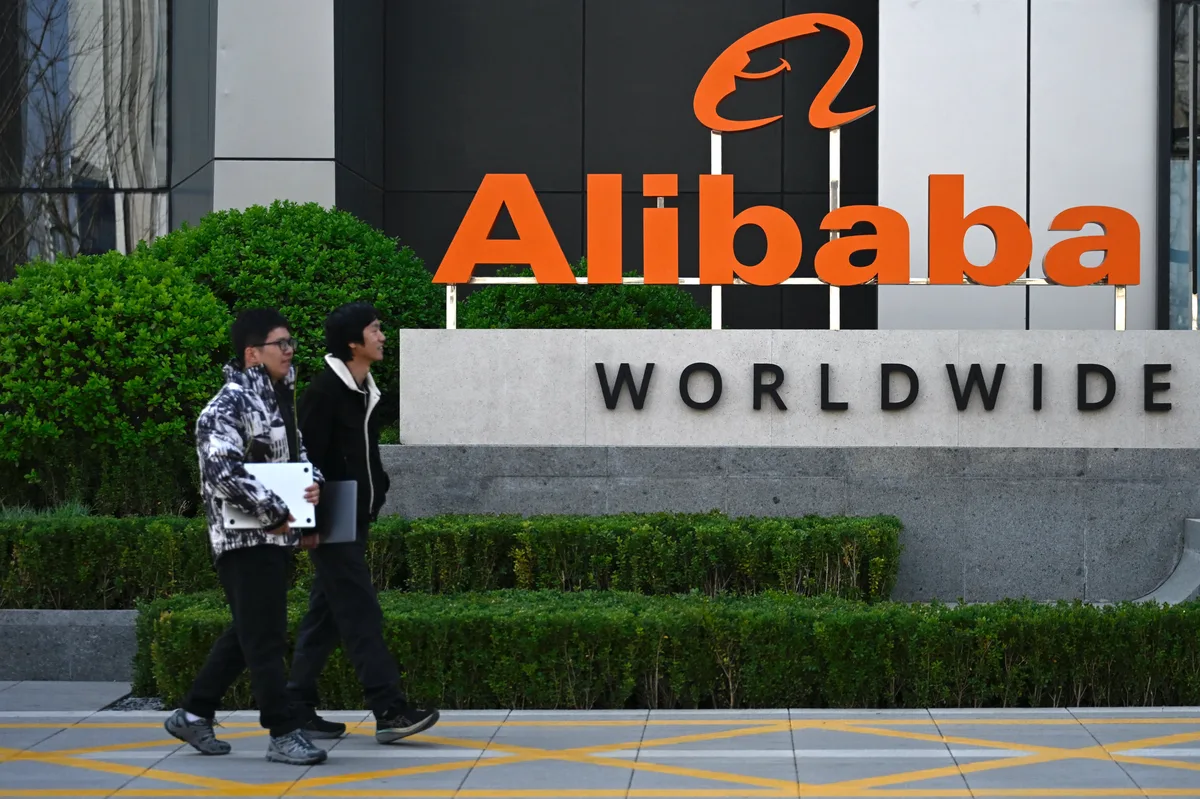
Chinese e-commerce and tech giant Alibaba has blocked its employees from using Anthropic's Claude Code, adding the AI-powered coding assistant to an internal high-risk software list following accusations of a so-called distillation attack. The move marks a significant escalation in tensions between a major Chinese tech player and a leading American AI developer.
A distillation attack — the accusation at the center of this dispute — refers to the practice of using outputs from a proprietary AI model to train or improve a competing model, effectively extracting its capabilities without authorization. If proven, such behavior would represent a serious violation of AI developers' terms of service and raise broader intellectual property concerns across the industry.
Read more Apple Extends Broadcom Partnership to 2031 for Custom AI Chips →
Alibaba's decision to formally classify Claude Code as high-risk signals that the company views the tool as a potential threat to its own AI assets and proprietary data. By restricting employee access at scale, Alibaba is taking a precautionary stance that could influence how other Chinese tech firms approach Western AI tools amid growing geopolitical and competitive pressures.
The ban adds another layer of complexity to the already fraught relationship between US and Chinese AI ecosystems. Anthropic, one of the most well-funded American AI startups and the maker of the Claude family of models, has not publicly commented on the specific accusations. The episode underscores how rapidly the competitive and legal dynamics surrounding generative AI are intensifying on a global stage.
Continue reading at US Top News and Analysis.