Aortic Dissection: What Killed Lindsey Graham and Who Is at Risk
Sen. Lindsey Graham died from an aortic dissection, a rare but deadly heart condition. Here's what raises your risk.
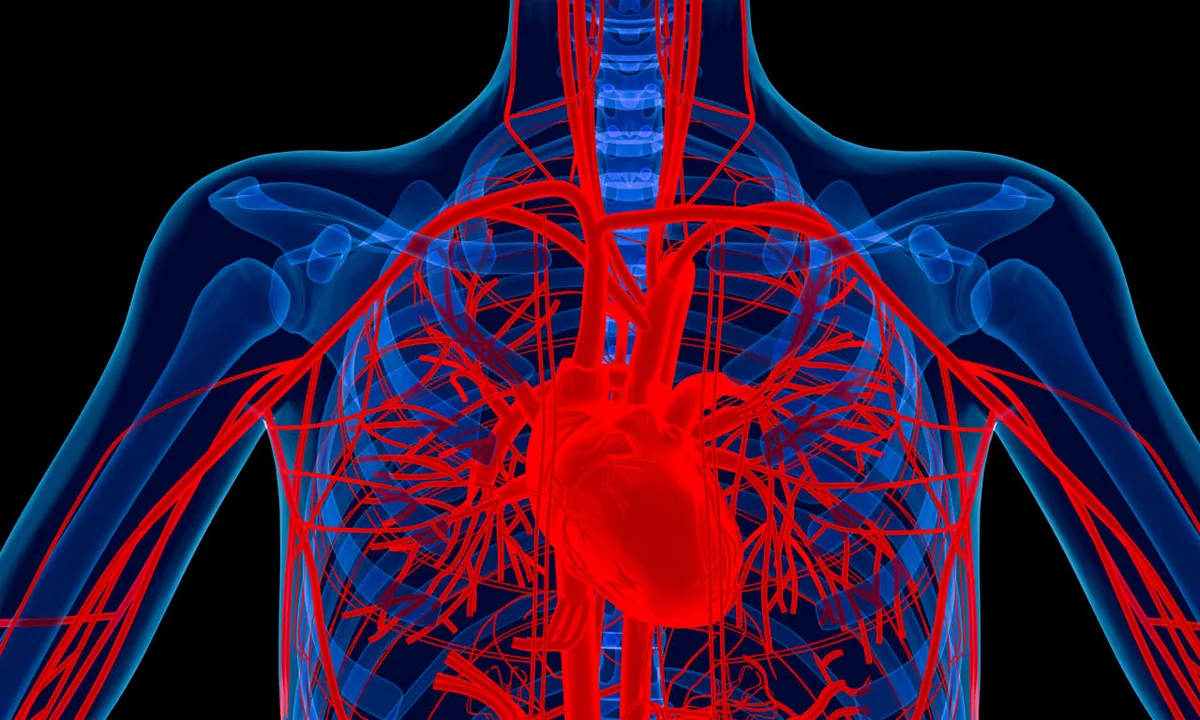
Sen. Lindsey Graham died from an aortic dissection, a rare and often fatal cardiovascular event that occurs when a tear forms in the inner layer of the aorta, the body's largest artery, allowing blood to surge between the vessel's layers and potentially causing catastrophic internal bleeding. The condition claimed Graham's life and has prompted renewed public interest in understanding who faces the greatest danger from this largely silent killer.
Aortic dissections are considered extremely uncommon in the general population, but certain individuals carry a significantly elevated risk. Medical experts point to a family history of aortic disease as one of the most important warning flags, since a genetic predisposition can weaken the structural integrity of the aorta's walls over time without producing obvious symptoms until a rupture occurs.
Read more Vanguard ETF Praised for Reliable Long-Term Investor Returns →
Beyond family history, people diagnosed with specific genetic syndromes face a heightened likelihood of developing the condition. These inherited disorders can affect connective tissue throughout the body, including the tissue that gives the aorta its strength and elasticity, making the vessel more vulnerable to tearing under normal blood pressure stress.
Because aortic dissections can develop without clear warning signs, awareness of personal and family medical history is critical. Individuals who know they carry relevant genetic risk factors are generally advised to discuss monitoring strategies with a cardiologist, which may include periodic imaging to track the size and condition of the aorta before a life-threatening event occurs.
Continue reading at MarketWatch.com