Bessent's Treasury Move Seen Undermining Fed Chair Warsh's Credibility
Treasury Secretary Scott Bessent's market intervention to cut debt costs is drawing scrutiny for weakening the Fed's rate-setting authority.
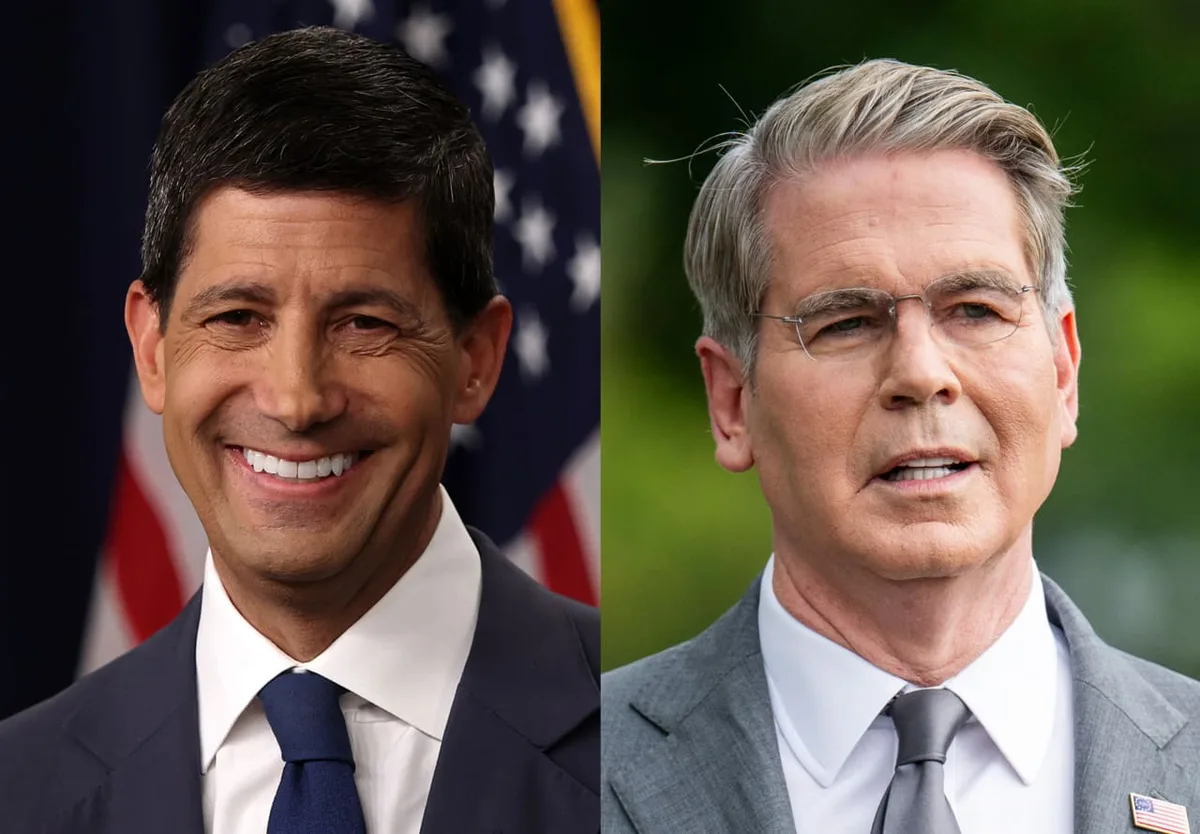
Treasury Secretary Scott Bessent made a striking move this week, intervening directly in Treasury markets with the explicit goal of driving down the cost of government borrowing — a step that experts say chips away at Federal Reserve Chairman Kevin Warsh's ability to conduct independent monetary policy.
The intervention marks a newly activist posture for the Treasury Department under Bessent, one that blurs the traditional boundary between fiscal management and the Fed's mandate to set interest rates. When the executive branch acts to push borrowing costs lower through market channels, it can effectively preempt or contradict the central bank's own policy signals, analysts warn.
Read more ECB Eyes Direct Euro Issuance on Blockchain Networks →
Warsh, who assumed the chairmanship with a reputation for hawkish inflation-fighting credibility, faces a particular challenge: if market participants come to believe that Treasury — rather than the Fed — is the dominant force shaping borrowing costs, the Fed's rate decisions carry less weight. That erosion of institutional authority is precisely what experts say Bessent's maneuver risks accelerating.
The development raises broader questions about the independence of the Federal Reserve at a moment when the relationship between the White House and the central bank is already under close scrutiny. Historically, Treasury and the Fed have maintained careful separation, with the former managing debt issuance and the latter controlling the price of money. Bessent's activist approach appears to deliberately narrow that gap.
Financial markets and policy watchers will be monitoring whether the Fed responds publicly or adjusts its communications strategy to reassert its authority over rate expectations. Continue reading at MarketWatch.com.