Canada's Carney Calls New 50% US Tariffs a USMCA Violation
PM Carney challenges Trump's sweeping tariff escalation while both leaders agree to intensify negotiations before the August 19 deadline.
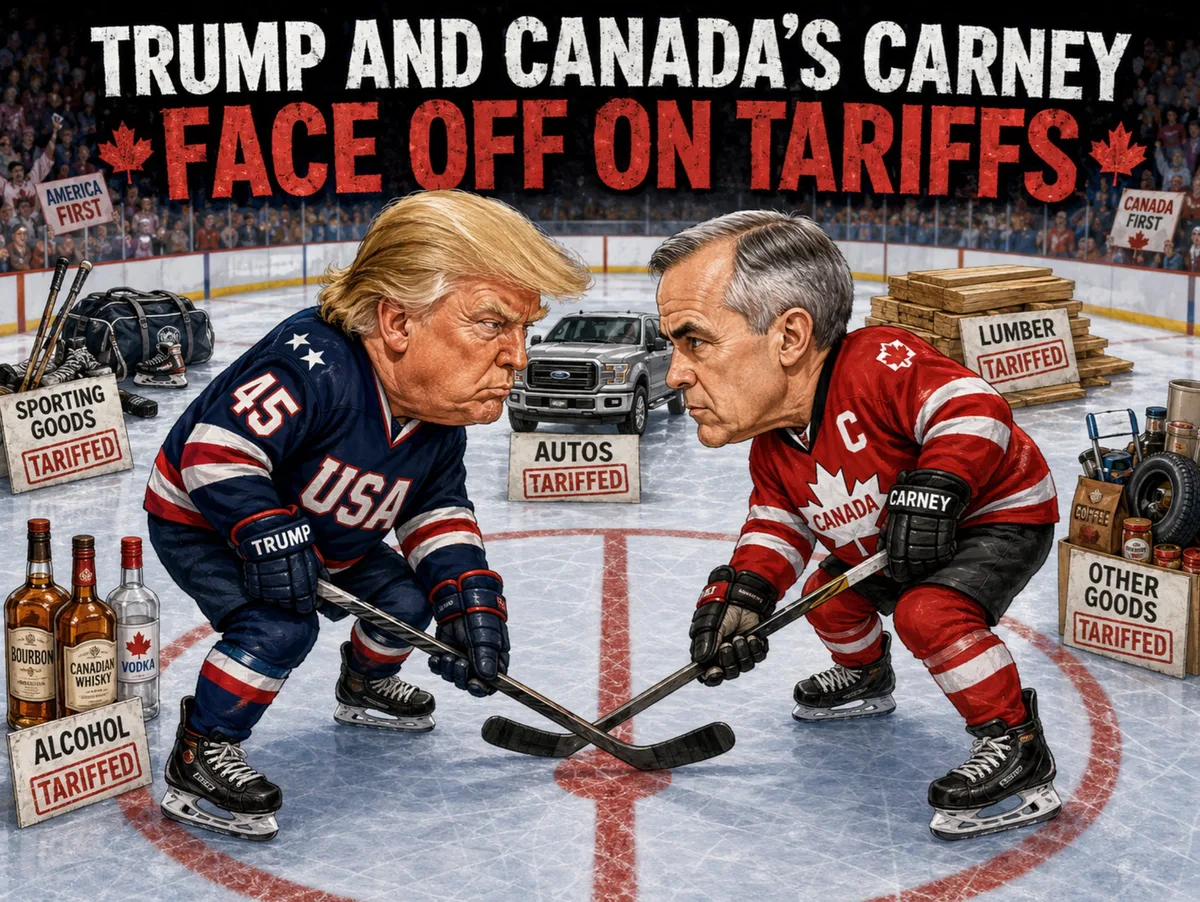
Canadian Prime Minister Mark Carney publicly condemned the Trump administration's newly announced 50% tariffs on a broad range of Canadian goods Tuesday, declaring the measures a violation of the United States-Mexico-Canada Agreement and vowing to consider all available retaliatory options if Washington proceeds. Despite the sharp rhetoric, Carney confirmed that he and President Trump spoke directly and agreed to accelerate trade negotiations over the coming weeks before the tariffs take effect on August 19.
The tariffs, imposed under Section 338 of the Tariff Act of 1930 — a law never previously invoked — target a sweeping array of consumer and manufactured goods including wine, furniture, clothing, apparel, sporting goods, and hockey equipment. Energy products, potash, fish, and critical minerals are notably exempt, a carve-out that signals Washington's continued strategic interest in Canadian resource supplies even amid the broader dispute.
Read more Property Tax Battles Head to Midterm Ballots in 13 States →
Carney made clear he is seeking no piecemeal solution, stating he wants a comprehensive deal covering all critical sectors rather than a partial agreement. He also placed responsibility for lifting provincial bans on US alcohol squarely on Canada's provinces, insisting those bans should only be removed as part of a complete trade resolution — not as a unilateral goodwill gesture.
On the US side, Trade Representative Jamieson Greer pushed back against any characterization of a breakdown in diplomacy, stressing that talks with Canadian officials remain constructive and ongoing. Greer reiterated that the administration's core objectives are reducing the US trade deficit with Canada and reshoring American manufacturing, and that any eventual agreement must deliver measurable gains for US businesses.
With 30 days remaining before the tariffs are scheduled to take hold, both governments face significant pressure to produce a framework that satisfies deeply divergent domestic political imperatives. The use of a rarely invoked 1930s trade statute underscores how dramatically the bilateral relationship has deteriorated — and how high the stakes are for North American supply chains. Continue reading at Forexlive.