Comcast-NBCU Spinoff: What History Says About Media Splits
Comcast plans to separate its cable and broadband unit from NBCUniversal, but past media spinoffs offer a cautionary, mixed track record.
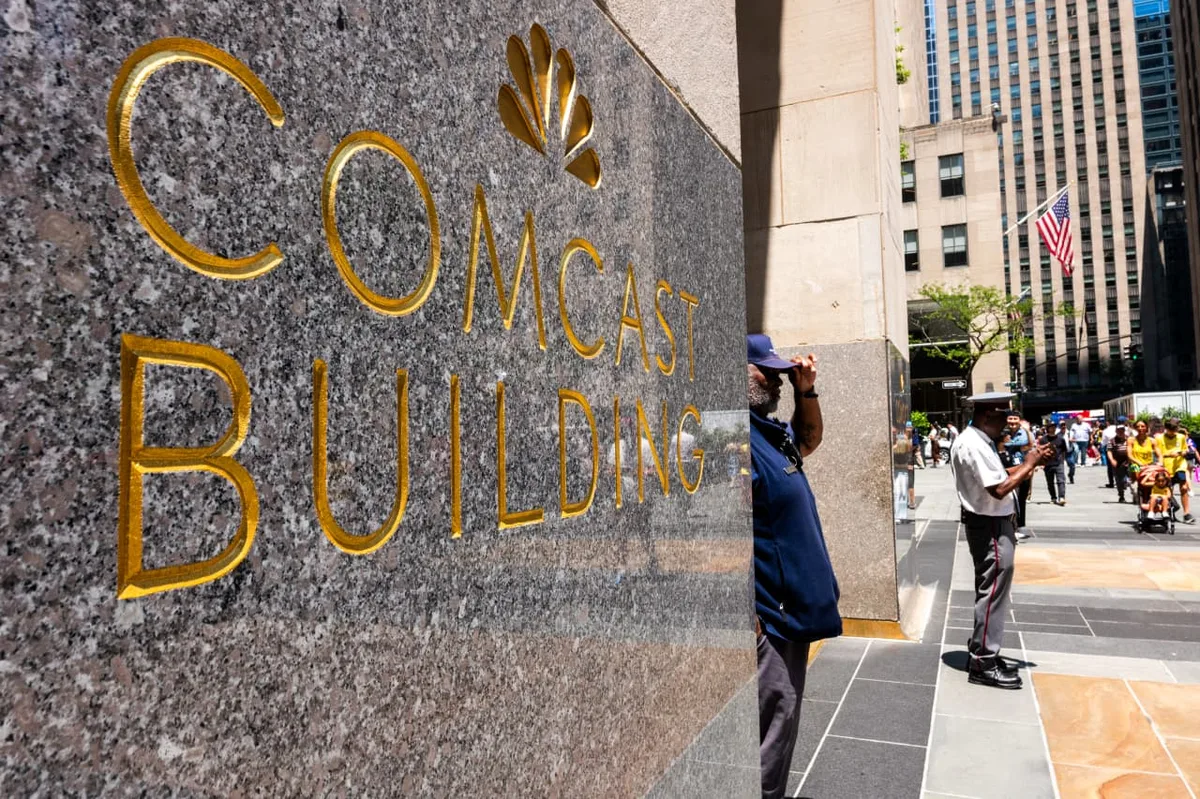
Comcast is moving to split its cable and broadband operations from NBCUniversal in a bid to unlock shareholder value, but history suggests the payoff for investors is far from guaranteed. The company argues that separating the two distinct businesses will allow each to pursue its own strategic priorities without the weight of the other dragging on performance or valuation.
Media spinoffs have historically produced uneven results, with outcomes depending heavily on the financial health of the separated entities, the debt each carries post-split, and broader market conditions at the time of the transaction. Some corporate separations have rewarded patient shareholders handsomely, while others have destroyed value as newly independent companies struggled to stand alone without the backing of a larger parent.
Read more Allegiant Raises Q2 Outlook After Sun Country Deal, Fuel Savings →
The core tension in the Comcast case is that its traditional cable and broadband business faces long-term structural pressure from cord-cutting and fixed wireless competition, while NBCUniversal contends with a brutal streaming landscape and declining linear TV advertising. Neither unit is entering a spinoff from a position of unambiguous strength, which analysts say complicates the conventional argument that separation will release hidden value.
Investors weighing the potential deal will need to assess whether the two businesses can attract distinct investor bases — growth-oriented funds for one, value or income seekers for the other — and whether management teams can execute independently at scale. The strategic logic of a breakup is clearest when the combined structure is actively suppressing the valuation of one or both parts, a case Comcast will need to make convincingly to the market.
Continue reading at MarketWatch.com