Crypto Bear Market Leaves Retail Investors Underwater as Losses Mount
A brutal crypto downturn is wiping out paper gains for millions of everyday investors worldwide, even as high-profile holders eye substantial holdings.
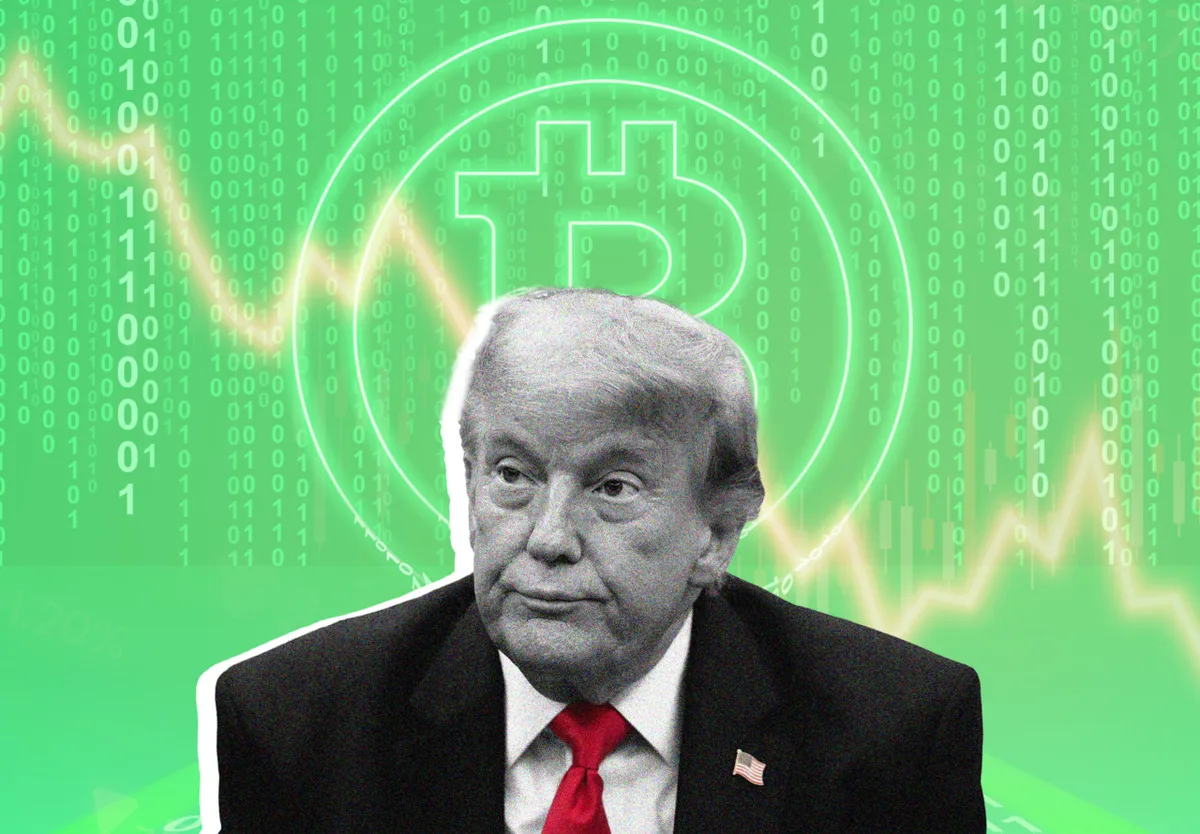
Millions of cryptocurrency investors across the globe are absorbing significant losses as a deepening bear market erases what were once towering paper profits, according to a new MarketWatch report. The selloff has stripped trillions of dollars in value from the broader crypto market, leaving retail participants — many of whom entered during peak euphoria — holding assets now worth far less than what they paid.
The downturn hits hardest for everyday investors who lack the financial cushion or institutional hedges available to larger players. Unlike sophisticated traders who may have locked in gains or diversified into other asset classes, ordinary holders are often left with little recourse beyond waiting for a recovery that carries no guarantee of timing or magnitude.
Read more US Stocks Climb Weekly as Mag-7 Gains Counter Tech Drag →
The report draws a sharp contrast between struggling retail investors and high-profile crypto holders, including former President Donald Trump, whose crypto-linked assets have drawn attention amid the broader market rout. That disparity underscores a recurring tension in digital asset markets: early or well-positioned entrants can accumulate enormous paper wealth while later arrivals absorb the bulk of downside risk.
The broader crypto collapse reflects a familiar cycle in speculative markets — rapid appreciation fueled by retail enthusiasm, followed by a correction that disproportionately punishes those who arrived late. Analysts have long warned that crypto's volatility makes it a particularly unforgiving asset class for investors without sophisticated risk management strategies in place.
The scale of the current bear market serves as a stark reminder that digital assets remain highly speculative, and that paper profits can evaporate swiftly when sentiment shifts. Continue reading at MarketWatch.com.



