Employers Hold the Line on GLP-1 Obesity Drug Coverage in 2026
Employer coverage of GLP-1 drugs for weight loss has stalled at 36%, with many companies seeking workarounds rather than expanding benefits.
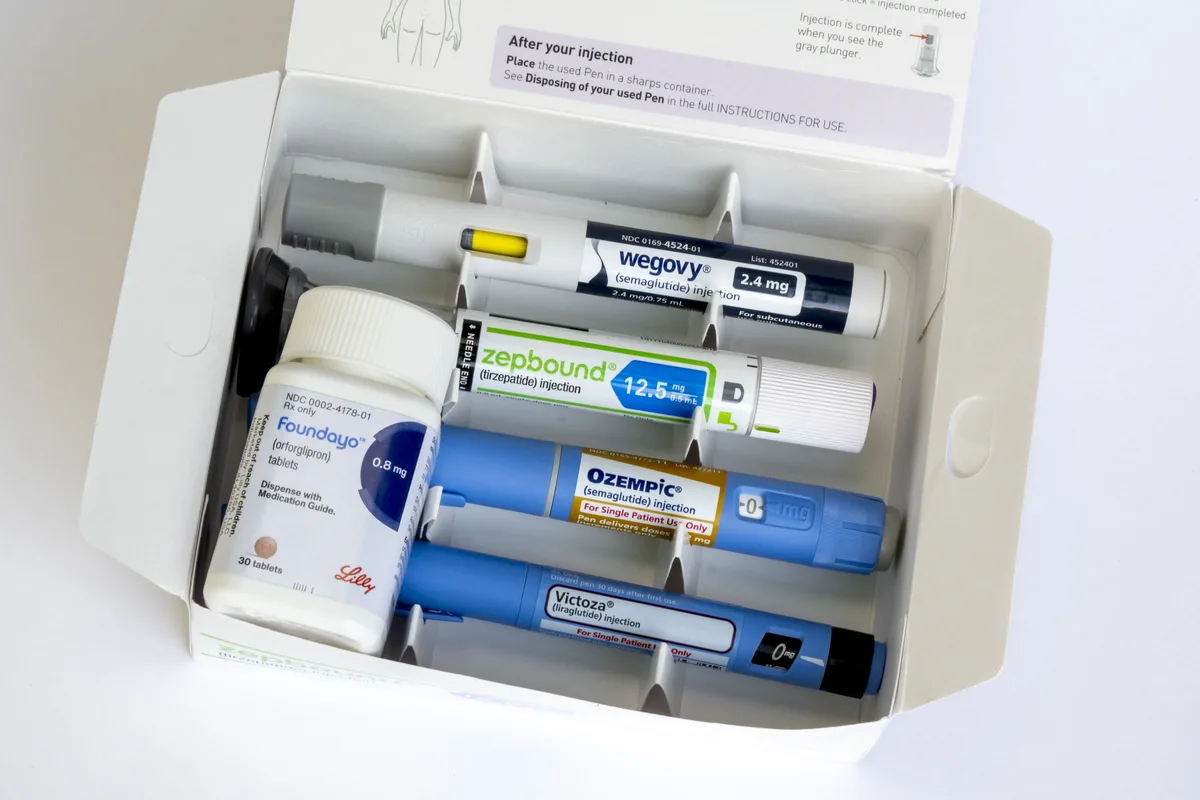
Employer coverage of GLP-1 medications for both diabetes and obesity has flatlined, with a new survey revealing that 36% of companies currently provide that dual coverage — identical to the 2025 figure and only marginally above the 34% recorded in 2024. The data signals that after an initial surge of interest in covering blockbuster drugs like Ozempic and Wegovy, corporate benefit managers are hitting a wall driven largely by cost concerns.
Rather than expanding access, many employers are actively pursuing alternative strategies to manage demand for these high-priced medications. Industry analysts note that workarounds can include imposing strict prior-authorization requirements, mandating participation in lifestyle intervention programs, or limiting coverage to employees who meet specific clinical thresholds — effectively narrowing who qualifies even when a benefit technically exists on paper.
Read more Apple Commits $30 Billion to Broadcom for Custom Chip Deal →
The near-stagnant adoption rate underscores the tension between employee demand for GLP-1 therapies and the financial pressure employers face. GLP-1 receptor agonists have become among the most expensive line items in corporate pharmacy budgets, and the modest year-over-year uptick from 34% to 36% suggests the market may be approaching a ceiling without meaningful price reductions or new policy interventions.
For workers hoping their employer will foot the bill for weight-loss treatment, the outlook remains uncertain. Unless drug manufacturers negotiate lower prices or federal policy shifts the coverage calculus, the share of employers offering broad GLP-1 benefits is unlikely to grow significantly in the near term. Continue reading at US Top News and Analysis.