GM Pushes Domestic Battery Development Amid Ford-China Scrutiny
GM is moving to build U.S. battery supply chains as Trump's DOT targets Ford over China ties, signaling a broader industry reckoning.
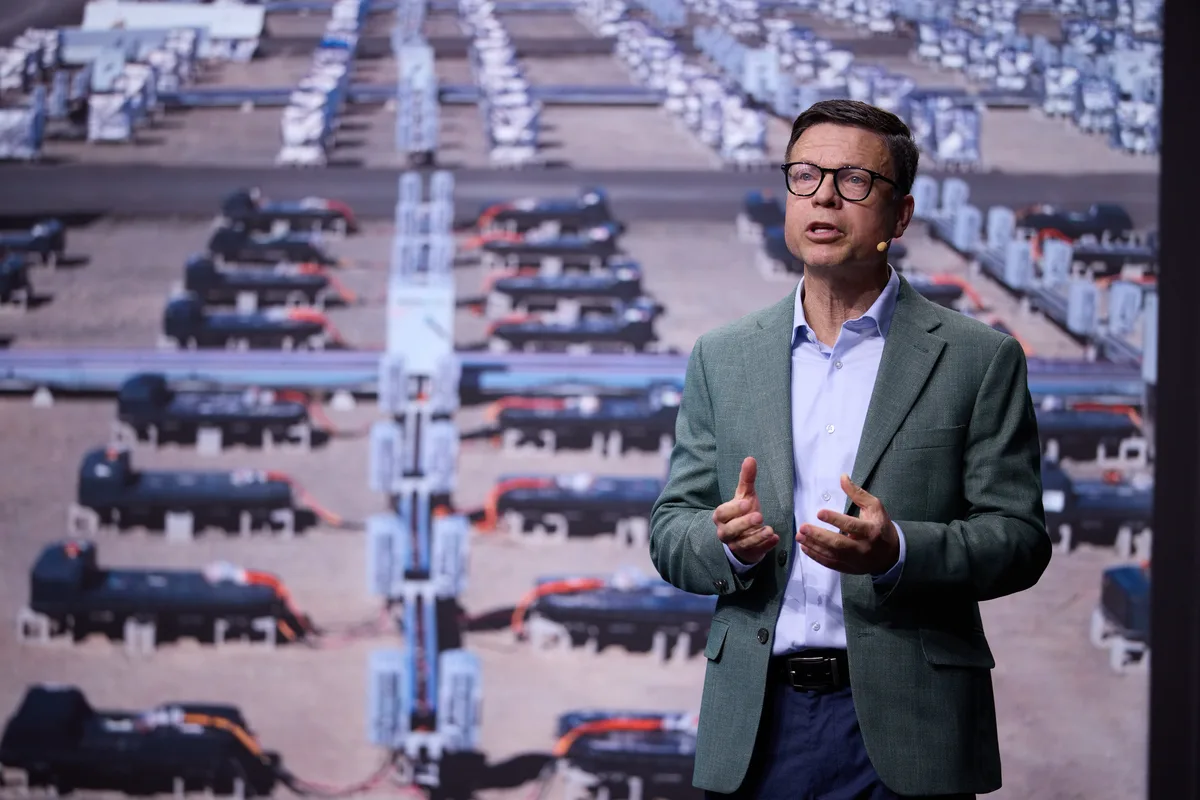
General Motors announced plans to develop battery technology domestically as the Trump administration's Department of Transportation publicly pressured Ford over its connections to Chinese supply chains, raising the stakes for the entire U.S. auto industry on the question of electric vehicle self-sufficiency.
GM's push is driven in part by a fundamental vulnerability baked into current battery manufacturing: most battery cells depend heavily on raw materials sourced from China, leaving American automakers exposed to geopolitical risk and potential supply disruptions. By building out domestic supply chains, GM aims to reduce that dependency for both its electric vehicle lineup and its growing energy storage business.
Read more Salesforce Eyes Listen Labs Deal to Strengthen AI Agent Push →
The Trump DOT's attack on Ford signals that Washington is increasingly willing to use regulatory and political pressure to force automakers to distance themselves from Chinese partners and suppliers. The move puts the entire sector on notice that China-linked supply relationships may draw federal scrutiny and potential consequences.
For GM, accelerating domestic battery development is both a strategic and reputational calculation — positioning the automaker as aligned with the administration's economic nationalism while hedging against a supply chain that analysts have long flagged as a critical point of fragility for the U.S. EV transition. Whether other major automakers follow suit could define how quickly the industry can realistically decouple from Chinese raw materials.
Continue reading at US Top News and Analysis