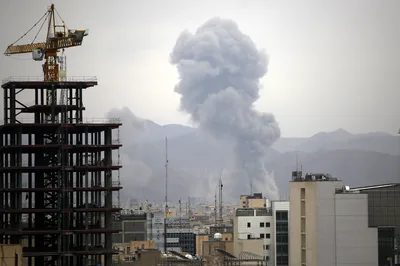
Hormuz Tanker Traffic Slows as U.S.-Iran Clashes Escalate
Oil surged more than 7% this week as renewed U.S.-Iran fighting near the Strait of Hormuz rattles global energy markets.
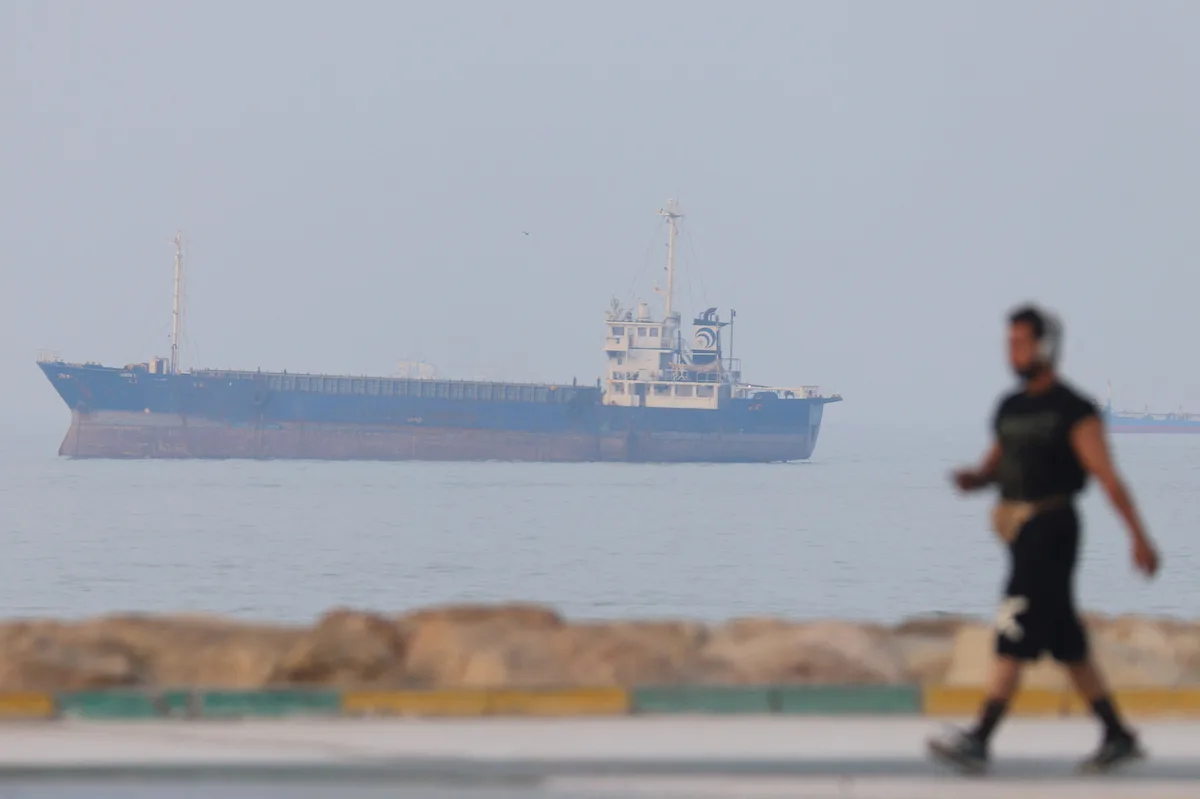
Tanker traffic through the Strait of Hormuz slowed sharply this week after Iranian attacks triggered renewed military exchanges with the United States, rattling one of the world's most critical chokepoints for global oil supply. The escalation sent crude prices surging more than 7% as traders scrambled to price in the risk of a sustained disruption to energy flows through the narrow waterway.
Investors are increasingly concerned that exports passing through Hormuz could plunge if the fighting intensifies, potentially squeezing supply to markets in Asia and Europe that depend heavily on Persian Gulf crude. The strait serves as a passage for a significant share of globally traded oil, making any prolonged conflict there a direct threat to energy security worldwide.
Read more Luxshare Raises $3.1B in Hong Kong's Largest IPO of 2025 →
The sharp price rally reflects how quickly sentiment can shift when geopolitical risk targets infrastructure this strategically sensitive. Markets are weighing not just the immediate military exchanges, but the broader possibility that either side could move to restrict or interdict commercial shipping as part of a wider confrontation strategy.
Analysts note that the combination of active conflict and tanker slowdowns creates a feedback loop — as shipping companies and insurers reassess risk, fewer vessels may be willing to transit the strait, compounding supply fears even before any formal blockade or closure occurs. The situation remains fluid, and energy traders are watching developments hour by hour for signs of de-escalation or further deterioration.
Continue reading at US Top News and Analysis.