How AI Is Reshaping Worker Pay, Autonomy, and HR Roles
Corporations are rapidly deploying AI tools across workplaces, raising urgent questions about worker rights, compensation, and oversight.
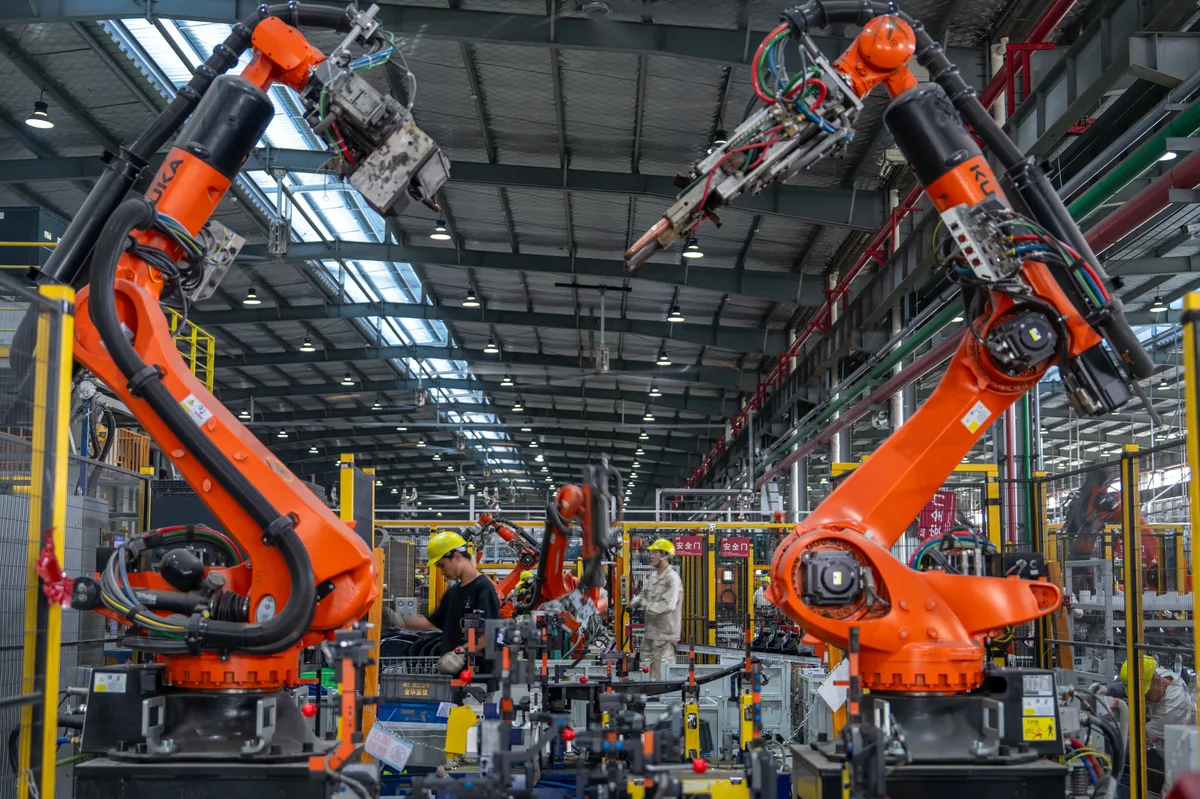
Artificial intelligence is reshaping the American workplace at a pace that is outrunning the policies meant to govern it. From customer-service chatbots to humanoid robots and algorithm-driven management platforms, corporations are embedding AI deeply into daily operations — with direct consequences for how workers are paid, supervised, and evaluated.
The scale of deployment is triggering a new conversation among labor experts, HR professionals, and corporate strategists about who — or what — is ultimately responsible for managing the human workforce. Some forward-looking organizations are already exploring dedicated oversight functions, informally dubbed "robot relations" departments, that would mediate between human employees and the automated systems increasingly dictating their workdays.
Read more China's Space Firms Close In on SpaceX in Global Race →
The implications for worker autonomy are significant. Automated management systems can set productivity quotas, monitor performance in real time, and flag employees for discipline without direct human involvement. Critics argue this removes essential human judgment from consequential workplace decisions, while proponents contend it introduces consistency and removes bias from evaluations.
Compensation is another flashpoint. As AI automates tasks previously performed by mid-skill workers, downward pressure on wages in certain sectors is intensifying — even as demand grows for employees who can operate and oversee AI tools. The result is a bifurcating labor market where the gains and losses from automation are distributed unevenly across income levels and industries.
The emergence of humanoid robots alongside software-based AI adds a physical dimension to this transformation that many workplaces are wholly unprepared to navigate legally or culturally. Labor advocates and policymakers are pressing for clearer regulations before the next wave of deployment widens existing inequalities further. Continue reading at US Top News and Analysis.