How Biden's Student-Loan Forgiveness Hopes Hurt Borrowers
The Biden administration's ambitious but unfulfilled loan forgiveness push left many student borrowers in a worse financial position than before.
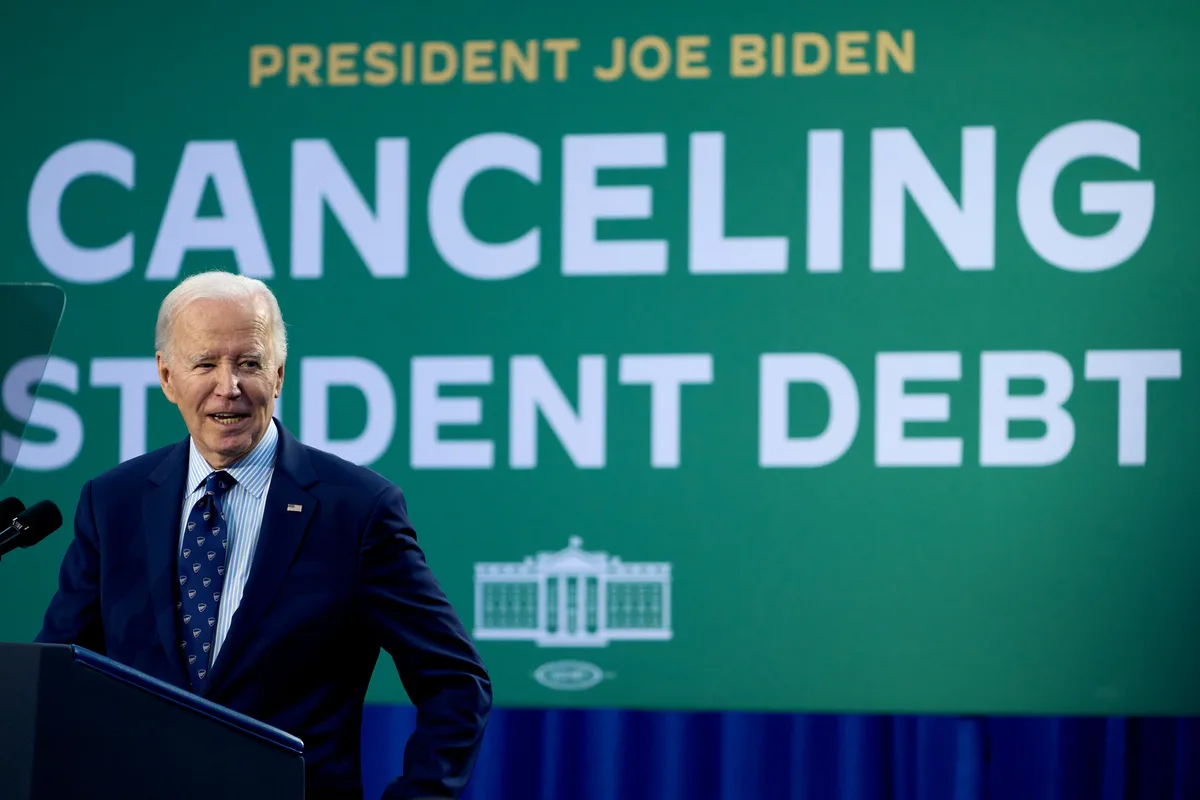
The Biden administration's high-profile pursuit of sweeping student-loan forgiveness — ultimately blocked or delayed at nearly every turn — created a false sense of financial security among millions of borrowers who delayed payments, skipped refinancing opportunities, and postponed major financial decisions while waiting for relief that never fully materialized.
For many borrowers, the repeated promises of broad cancellation meant months or even years of strategic inaction. Rather than aggressively paying down principal, consolidating debt, or locking in lower interest rates during a favorable rate environment, a significant portion of the student-loan population held off, banking on White House assurances that substantial forgiveness was imminent.
Read more Childless Aunt or Uncle? How to Split an Estate Among Nieces and Nephews →
The cost of that waiting game compounded over time. Interest continued to accrue, balances grew, and some borrowers who might have qualified for income-driven repayment adjustments or employer-based forgiveness programs failed to enroll because they assumed broader cancellation would arrive first. The administration's legal setbacks — most notably the Supreme Court's 2023 rejection of its flagship forgiveness plan — meant that the relief never came for the vast majority who had been counting on it.
Analysts note that the episode illustrates a broader policy risk: when governments signal sweeping financial relief without securing the legal and legislative groundwork first, the announcement itself can alter borrower behavior in ways that ultimately cause harm. The gap between expectation and execution became a financial trap for borrowers who planned around an outcome that courts and Congress would not allow.
Continue reading at US Top News and Analysis.