Iran Strikes Gulf States, Closes Hormuz Strait After US Hits 300 Targets
Iran expanded attacks to Qatar and the UAE while again declaring the Strait of Hormuz closed, as the US struck over 300 Iranian military sites in three nights.
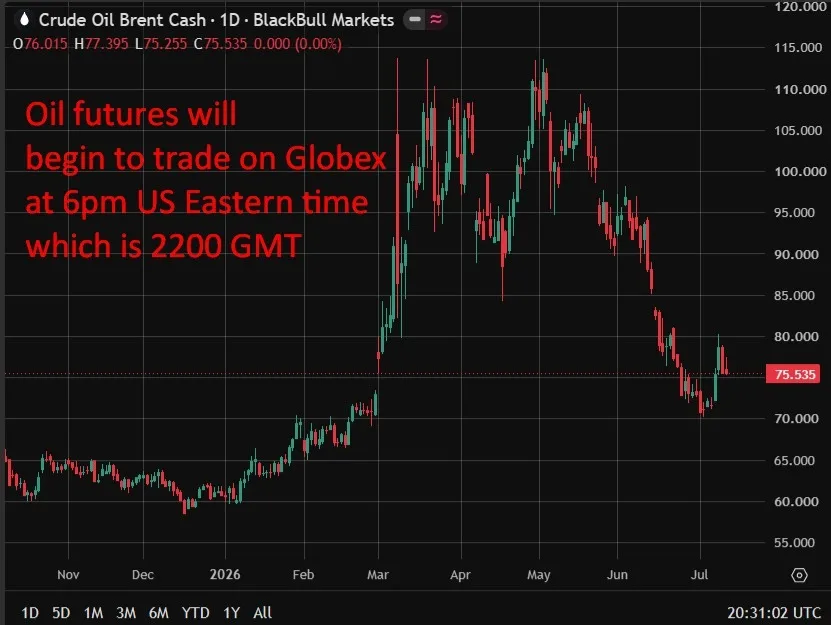
Iran dramatically widened its military campaign over the weekend, striking Qatar, the United Arab Emirates, Jordan, Kuwait, and Oman for the first time in months while simultaneously declaring the Strait of Hormuz closed to unauthorized shipping — a sharp escalation in the four-month conflict with the United States that markets are already pricing as a major supply-risk event.
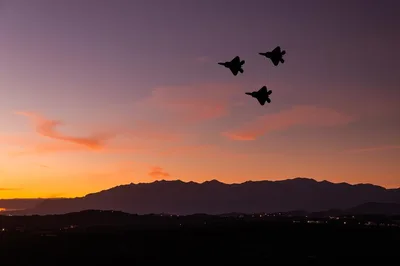
US Central Command reported striking more than 300 Iranian military targets across three consecutive nights, including 140 targets on Saturday alone. American forces also targeted Iranian missile and air defense systems and Islamic Revolutionary Guard Corps speedboats operating near the strait, according to Axios, citing a senior US official. Iran's new supreme leader, Mojtaba Khamenei — son of the elder Khamenei killed in the February 28 strike that ignited the war — issued a written statement vowing revenge via state television.
Read more How Nancy Pelosi's Stock Trades Outpaced the Market and Buffett →
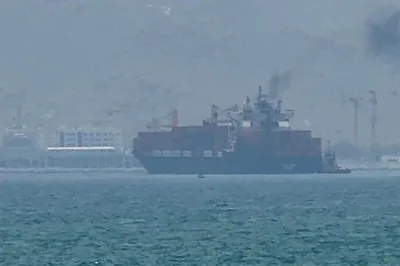
The humanitarian and commercial toll is already mounting. A container vessel, GFS Galaxy, was attacked off the coast of Oman, leaving one Indian national missing while 23 crew members were rescued. Qatar reported three people wounded, including a child, by falling shrapnel and placed full responsibility on Tehran. Kuwait recorded damage and an injury at an oil drilling platform, while Bahrain said it intercepted multiple aerial attacks.
For energy markets, Tehran's closure declaration — with Iranian authorities saying permits would resume only once "stability and calm" return — threatens to drive fresh upward pressure on benchmark crude prices and spike freight and war-risk insurance rates. The US revocation of Iran's crude sales license tightens available global supply further. Washington insists a southern shipping corridor remains open, and political pressure to keep gasoline prices in check ahead of US midterms could drive additional American military engagement to protect that route.
The continued uncertainty around Iran's command structure, with Mojtaba Khamenei still consolidating power after his father's death, adds an unpredictable layer to the conflict that analysts warn markets may interpret as elevated escalation risk in the days ahead. Continue reading at Forexlive.