Iran Trade Shrinks as Khamenei Pushes Dollar Alternatives
Iran's president acknowledges sanctions are squeezing trade while Supreme Leader Khamenei calls for reducing dependence on the U.S. dollar.
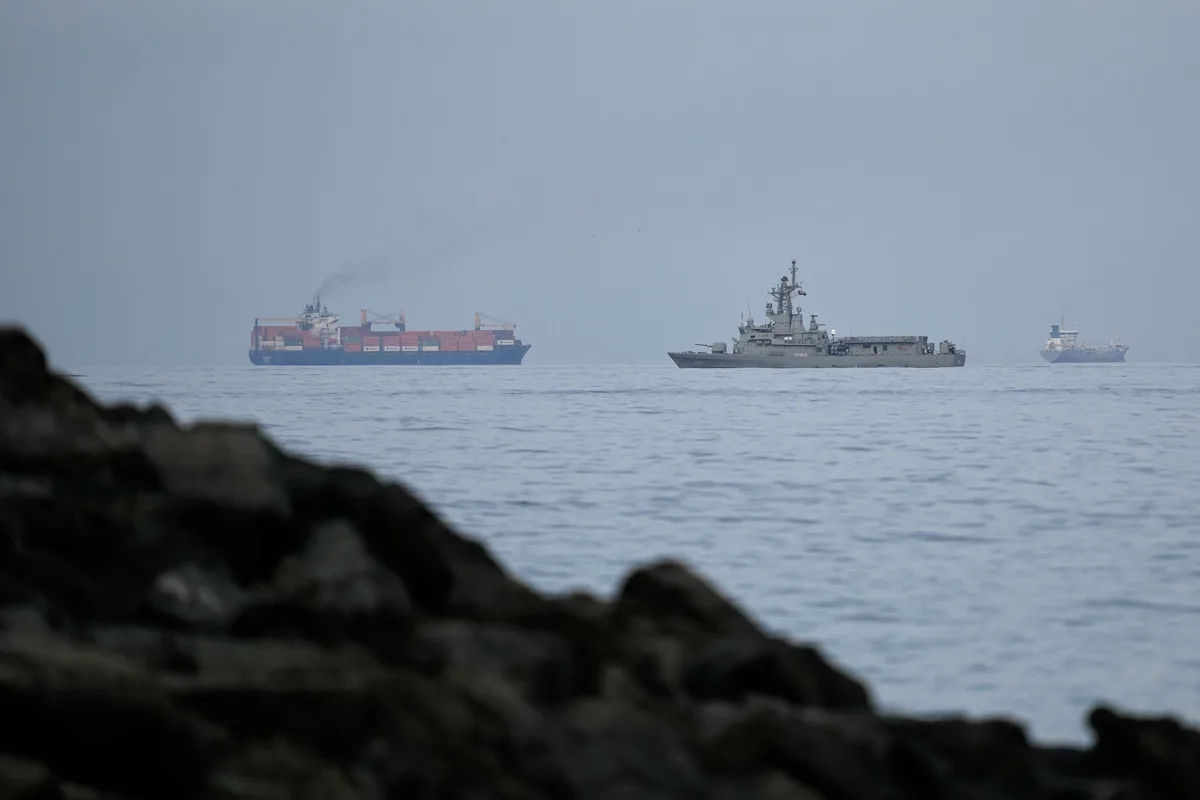
Iran's trade volumes are declining under the weight of international sanctions, with President Masoud Pezeshkian publicly acknowledging the toll on both imports and exports, as Supreme Leader Ali Khamenei doubles down on his push to move the country away from reliance on the U.S. dollar in global transactions.
Khamenei's call to de-dollarize Iran's economy is not new, but the timing carries added urgency as sanctions continue to choke off commercial channels. The supreme leader's directive signals a broader ideological commitment to financial independence from Western-dominated monetary systems, a goal Iran shares rhetorically with several other sanctioned or adversarial states.
Read more Economists Abandon K-Shape Theory to Describe Today's Economy →
The president's candid admission that sanctions are actively harming trade is a notable public acknowledgment of economic strain. Such statements from senior Iranian officials are relatively rare and suggest the pressure on the country's economy is difficult to obscure or downplay domestically.
Iran's effort to sidestep dollar-denominated trade aligns with wider geopolitical trends in which nations facing U.S. sanctions — including Russia and Venezuela — have sought alternative currencies, barter arrangements, or bilateral trade deals to sustain commerce. Whether Iran can meaningfully reduce its dollar exposure while sanctions persist remains a significant open question for analysts tracking the region's economic resilience.
Continue reading at US Top News and Analysis.