Iran Uses Strait of Hormuz as Leverage in US Nuclear Talks
Iran's repeated opening and closing of the Strait of Hormuz is a calculated pressure tactic to extract sanctions relief from Washington while stalling negotiations.
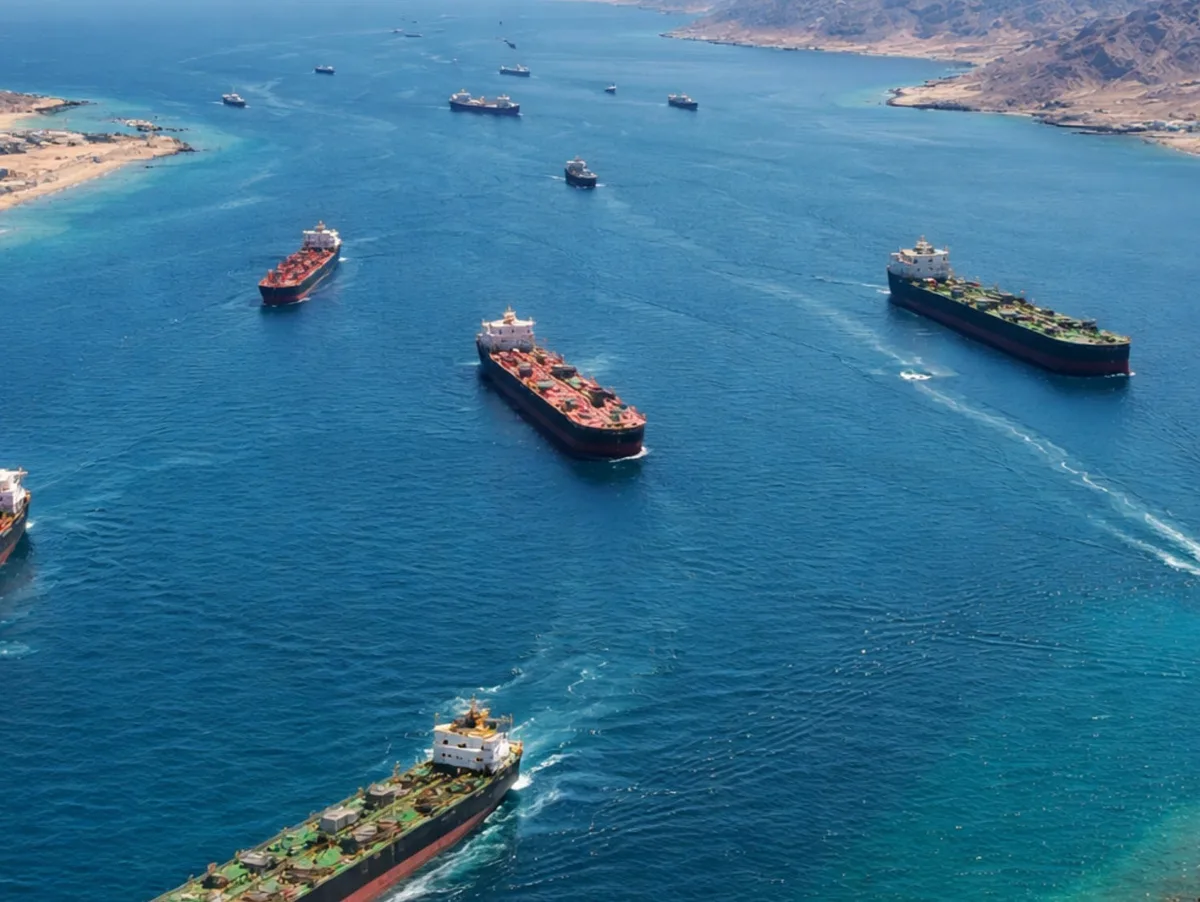
Tehran is deploying control over the Strait of Hormuz as its primary bargaining chip against the United States, shutting down shipping traffic through the critical waterway in a dual-purpose move that both signals defiance and gives Iran a ready-made pretext to delay or abandon nuclear negotiations whenever Washington escalates militarily. The tactic has effectively brought vessel traffic along the strait to a near standstill, rattling global energy markets and supply chains at a moment when talks between the two countries remain fragile.
President Trump declared this week that a deal was "over," sparking immediate concern across financial markets, before walking back the rhetoric with familiar signaling that the opposing side is eager to negotiate — a pattern analysts recognize as his standard de-escalation move. Despite that slight easing of tension, the underlying crisis is far from resolved, with the strait's status oscillating between nominal openings and effective closure depending on Iran's tactical calculations at any given moment.
Read more Pelosi and Trump Share Stakes in the Same 10 Stocks →
Iran's strategy is calculated to kill two birds with one stone: ship attacks remind Washington of Tehran's chokehold over roughly one-fifth of the world's seaborne oil supply, while any US military response hands Iran diplomatic cover to suspend talks indefinitely. Tehran can also point to Israeli strikes in Lebanon as additional justification for walking away, giving negotiators multiple off-ramps to manufacture delay and extract further concessions — particularly broader sanctions relief and the release of frozen Iranian assets.
The oil market is already straining to mask the supply disruption, drawing on reserves to maintain surface-level stability, but analysts warn that the true economic reckoning may be severely underpriced by markets. Trump currently operates with some political room while oil prices remain suppressed, but a sustained price spike would threaten the US economic outlook and his party's midterm positioning — precisely the kind of leverage Iran is banking on to force greater US concessions the longer the standoff drags on.
The broader risk, as Forexlive notes, is that markets are dangerously complacent about how deep the structural damage to global supply chains already runs, and that a sudden reality check could prove far more disruptive than current pricing suggests. Continue reading at Forexlive.