Japan's GPIF Signals Possible Portfolio Shift Toward Domestic Assets
Tokyo sends mixed signals on whether the $1.8T pension fund will redirect capital into Japanese bonds and equities, rattling USD/JPY.
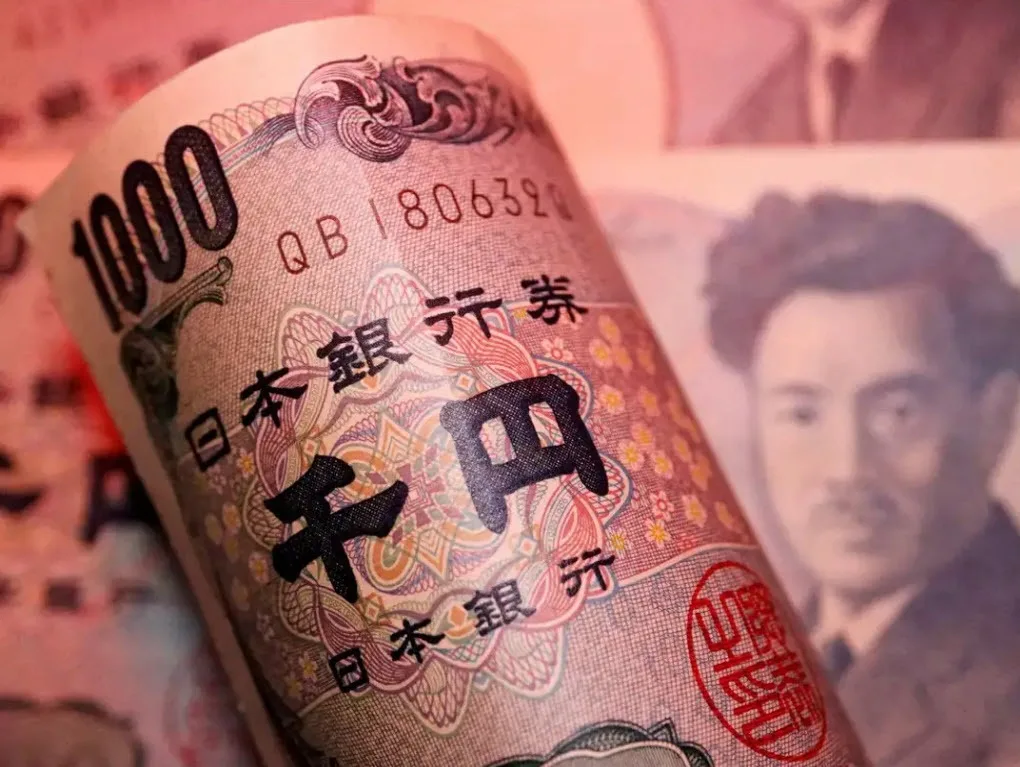
Japan's chief cabinet secretary Kihara confirmed Friday that the Government Pension Investment Fund holds the authority to adjust its basic portfolio allocations as circumstances require — a statement that rekindled speculation over a massive domestic investment pivot by the world's largest pension fund, which oversees $1.8 trillion in assets as of Q1 2026.
The episode began when Finance Minister Katayama said Tokyo would pursue ways to encourage the GPIF to direct "substantially greater investments" into Japanese financial assets. That single remark sent the yen higher and boosted the domestic bond market, with traders pricing in the possibility that billions of dollars could soon rotate into Japanese equities and government debt.
Read more TSMC Posts 68% Revenue Surge in June Ahead of Q2 Earnings →
A Reuters report citing unnamed sources complicated the picture hours later, noting Japan has no immediate plans to formally revise the fund's target asset allocations. The sources suggested Katayama's language was not meant to signal a structural change — only that the GPIF could use flexibility already built into existing allowable ranges to tilt toward domestic holdings. That clarification pushed USD/JPY back up to 162.35 before Kihara's fresh comments pulled it down to around 162.00–162.10.
Under its current framework, the GPIF divides assets equally across four buckets — domestic bonds, foreign bonds, domestic equities, and foreign equities — at 25% each, with a six-percentage-point deviation band around each target. Rising long-term yields inside Japan have made Japanese government bonds increasingly competitive against foreign alternatives, giving the fund a market-driven reason to lean into domestic debt even without any mandate change.
The conflicting official signals leave markets guessing about the scope and urgency of any reallocation push. Whether Tokyo is laying groundwork for a formal policy directive or simply talking up domestic markets remains unclear. Continue reading at Forexlive.