Japanese Airlines Raise Fuel Surcharges Despite Falling Jet Fuel Costs
Japan Airlines and ANA hiked fuel surcharges Wednesday, leaving travelers paying up to $400 more even as Asian jet fuel prices decline.
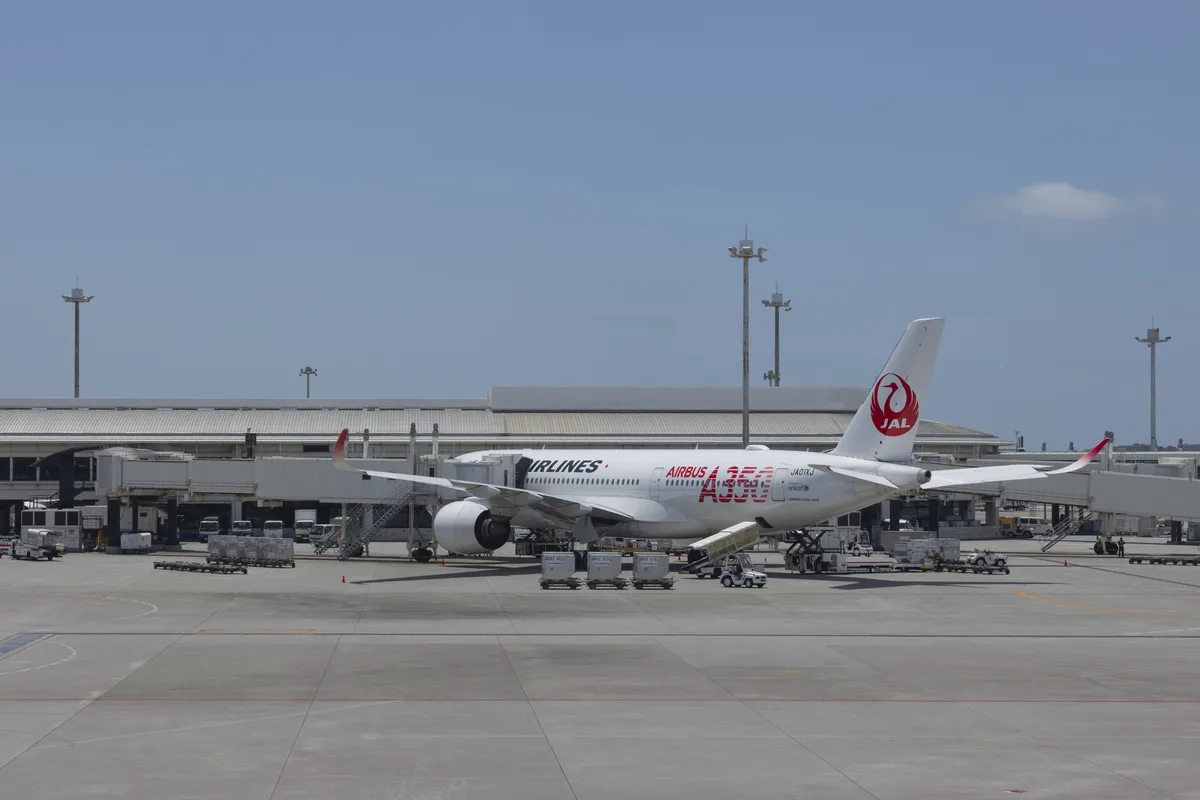
Japan Airlines and All Nippon Airways raised fuel surcharges on Wednesday, pushing additional costs onto passengers at a time when jet fuel prices in Asia are actually falling — a timing that has caught many travelers off guard and raised questions about airline pricing transparency.
Fuel surcharges, which can reach roughly $400 per ticket depending on the route and cabin class, are not calculated in real time against daily commodity prices. Instead, carriers typically set surcharge levels based on fuel cost averages measured months in advance, meaning current market relief at the pump does not translate immediately into savings at the booking screen.
Read more Moburst Acquires Hyperzon to Expand Amazon Marketing Capabilities →
The disconnect between spot fuel prices and what passengers ultimately pay reflects a structural lag built into how airlines calculate and file surcharges with regulators. By the time a lower fuel-cost environment is captured in the formula, prices may have shifted again, creating an asymmetry that critics argue consistently favors carriers over consumers.
For travelers planning trips to or from Japan, the updated surcharges on JAL and ANA flights represent a meaningful addition to base fares, particularly on long-haul transpacific and trans-Eurasian routes where surcharges compound across connecting legs. Passengers booking now should factor those costs into total trip budgets rather than relying solely on advertised base fares.
Whether and when surcharges will retreat depends on how sustained the current dip in Asian jet fuel prices proves to be, and on the specific review windows each airline uses to reset its surcharge schedule. Continue reading at US Top News and Analysis.