Manhattan Luxury Home Sales Stay Strong After Second-Home Tax
New York City's new second-home tax has not derailed luxury real estate sales, brokers and analysts say one month in.
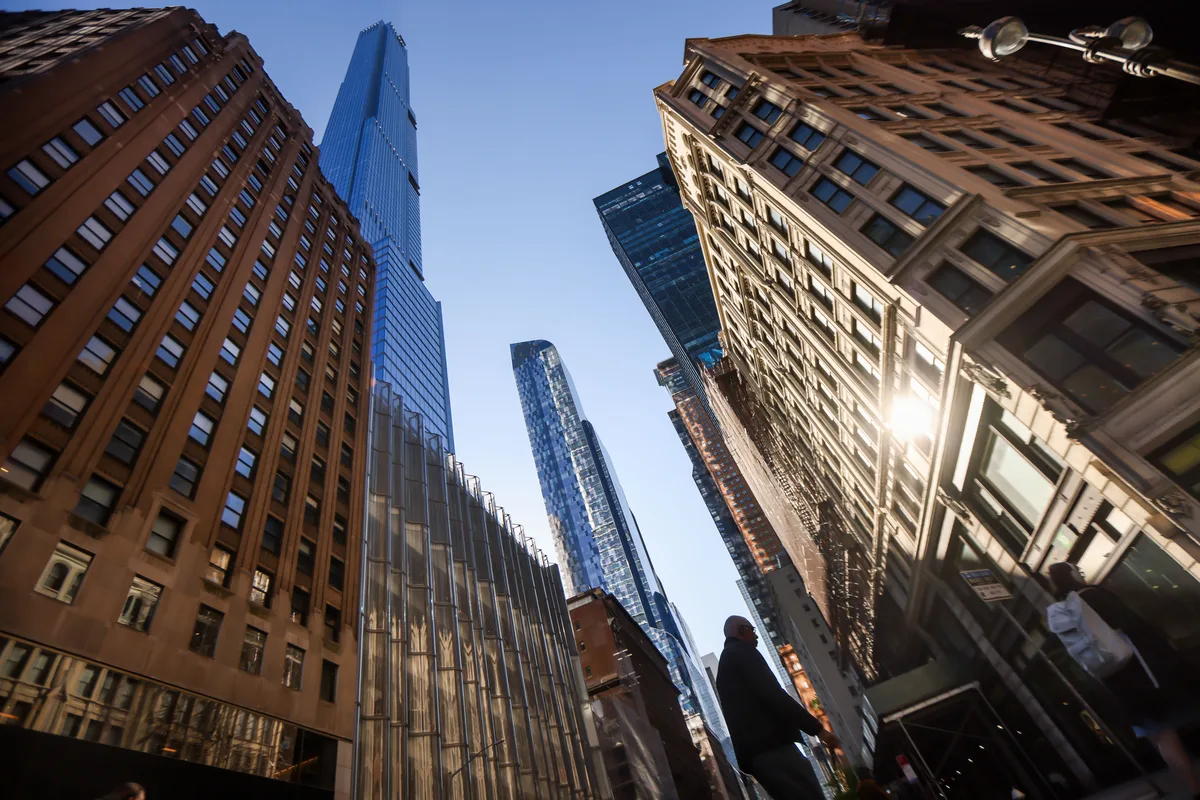
Manhattan's luxury real estate market is holding its ground one month after New York City enacted a tax targeting second homes, defying early predictions that the so-called "Mamdani effect" would send high-end buyers fleeing to the sidelines, according to brokers and analysts who track the sector.
Industry observers had warned that the new levy could dampen demand among wealthy out-of-towners and investors who treat Manhattan condos and co-ops as secondary residences — a sizable slice of the luxury buyer pool. Instead, deal activity has remained resilient, suggesting that buyers in the upper price tiers are either absorbing the added cost or pressing forward before further policy changes can take shape.
Read more Apple Stock Rallies as Company Eyes Memory Fix →
The durability of luxury sales points to a broader dynamic in Manhattan's high-end market: demand at the top of the price spectrum tends to be less sensitive to incremental tax changes than demand in entry-level or mid-market segments. Buyers committing millions of dollars to a residence often weigh lifestyle, location, and long-term asset value more heavily than a new recurring tax line.
Brokers and analysts cautioned, however, that a single month of data is not enough to draw firm conclusions. The full impact of the second-home tax could materialize over time as listings accumulate, buyer psychology shifts, or sellers adjust pricing expectations to offset the new burden on purchasers.
The episode underscores an enduring tension in New York City housing policy — the challenge of taxing wealth concentrated in real estate without triggering the market retreat that critics predicted. Continue reading at US Top News and Analysis.