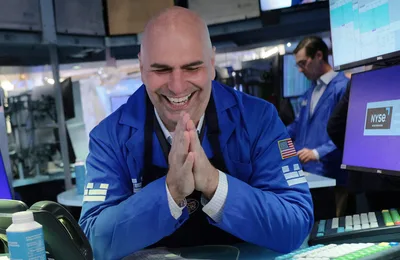
Meta Stock Slides as AI Spending Outpaces Revenue Proof
Meta shares are under pressure as surging AI investment costs alarm Wall Street investors demanding returns beyond advertising.
Meta Platforms shares tumbled Wednesday as Wall Street grew increasingly impatient with the social media giant's ballooning artificial intelligence expenditures and its continued reliance on advertising as its primary revenue engine. Investors sold off the stock after the company signaled that AI-related capital spending would continue to accelerate, raising concerns about near-term profitability and the timeline for meaningful returns on those bets.
The core tension driving the selloff is a familiar one in the tech sector: Meta is pouring billions into AI infrastructure and development, yet the company has not demonstrated a clear, scalable path to monetizing those investments outside of its dominant — but mature — digital advertising business. Wall Street analysts are pressing executives to articulate how AI translates into new revenue streams, not merely enhanced ad targeting.
Read more IonQ Wins SkyWater Acquisition Approval, Boosting Quantum Roadmap →
Meta CEO Mark Zuckerberg has positioned artificial intelligence as central to the company's long-term identity, funding everything from large language model research to AI-powered features across Facebook, Instagram, and WhatsApp. But for investors focused on near-term earnings, the mounting costs without equivalent top-line diversification represent a growing risk premium baked into the stock.
The pressure Meta faces mirrors broader scrutiny applied to major tech firms that have pledged enormous AI budgets this year. Unlike cloud providers such as Amazon and Microsoft, which can directly monetize AI infrastructure through services sold to third parties, Meta's business model means its AI payoff is more indirect and harder for the market to price with confidence. Until Meta can show concrete revenue contributions from AI in non-advertising categories, analysts warn the stock could remain volatile.
Continue reading at MarketWatch.com