Micron CEO Defends Memory Outlook in Cramer Interview
Micron's CEO pushed back on bearish memory chip concerns in a wide-ranging interview, boosting analyst confidence in the stock.
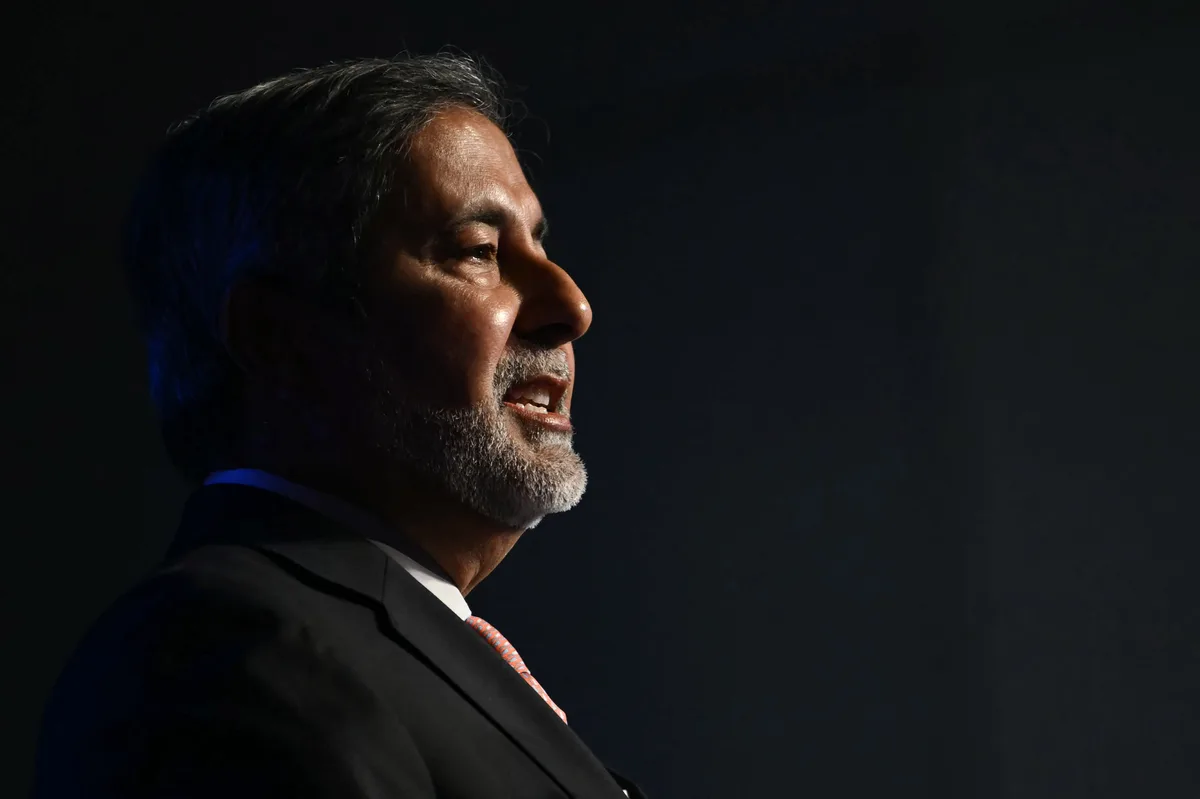
Micron Technology's chief executive went on offense Wednesday, directly challenging the bear case surrounding memory chip demand in a high-profile interview with CNBC's Jim Cramer. The conversation gave investors a rare extended look at how Micron's leadership views the current landscape amid persistent concerns about oversupply and slowing enterprise spending.
The CEO's willingness to confront skeptics head-on signaled confidence at the executive level, a posture that analysts and retail investors alike tend to read as a meaningful indicator of near-term visibility. When a chief executive voluntarily steps into a critical narrative rather than deflecting, it often suggests the company believes its internal data supports a stronger thesis than the market is currently pricing in.
Read more MEXC Sees 142% Surge in MU Futures After Micron Earnings Beat →
For followers of Cramer's investment club, the interview carried extra weight. The conversation apparently reinforced conviction in Micron as a portfolio position, with the outlet noting the exchange made them "more confident" in the stock. That kind of qualitative signal — a CEO willing to debate the downside case publicly — can be as telling as any earnings beat, particularly in a cyclical sector like semiconductors where sentiment swings hard and fast.
Memory chips remain one of the most hotly debated corners of the semiconductor market. Bulls point to artificial intelligence infrastructure buildout as a structural demand driver, while bears argue that inventory corrections and pricing pressure could weigh on near-term results. Micron sits squarely at the center of that debate as one of the few U.S.-based DRAM and NAND flash manufacturers.
The interview underscores how semiconductor executives are increasingly taking their stories directly to financial media audiences as a way to shape market narrative between quarterly reporting cycles. Continue reading at US Top News and Analysis.