Nvidia's Next-Gen AI Rack System Faces 2028 Delay, Analysts Say
Nvidia's upcoming AI rack system has been pushed to 2028 due to manufacturing snags, raising questions about the chipmaker's rapid release pace.
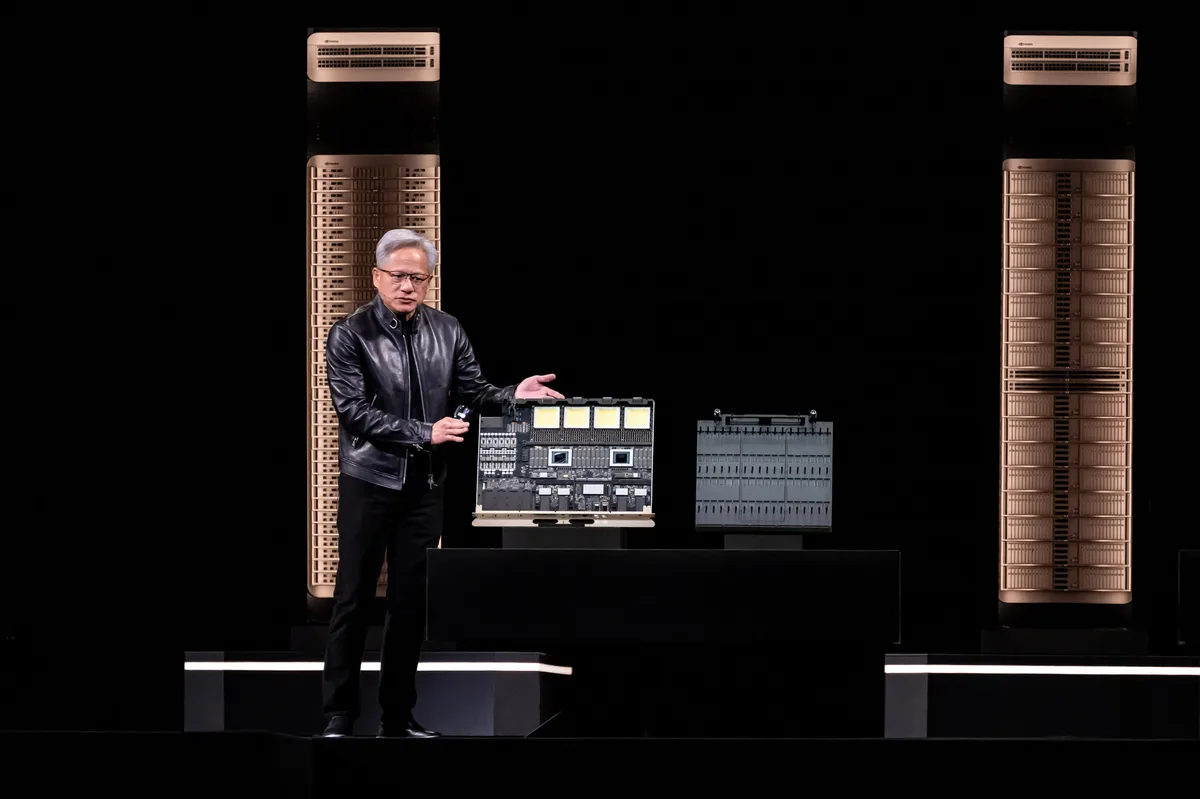
Nvidia's next-generation AI rack system has been delayed until 2028, according to research firm SemiAnalysis, as production complications threaten to disrupt the chipmaker's ambitious annual product cadence. The setback represents a notable challenge for a company that has staked much of its market dominance on consistently delivering cutting-edge hardware ahead of rivals.
SemiAnalysis, a closely watched semiconductor research outfit, attributed the delay to manufacturing snags — an increasingly common friction point as AI hardware grows more complex and supply chains strain to keep pace with demand. The firm's findings suggest that the physical and logistical limits of chip production may be catching up with Nvidia's aggressive development schedule.
Read more Three Stocks Worth Buying in July and Holding Long-Term →
The reported holdup amplifies existing concerns among investors and industry watchers about whether any company — even one as dominant as Nvidia — can sustain a breakneck yearly release rhythm without running into hard ceilings imposed by fabrication and assembly constraints. Nvidia has built its recent valuation surge largely on the premise that its hardware pipeline would remain uninterrupted.
For enterprise customers and cloud providers who have structured massive capital expenditure plans around Nvidia's roadmap, a multi-year delay on a flagship rack system could prompt a reassessment of procurement timelines and, in some cases, accelerate interest in competing platforms from AMD, Intel, and custom silicon projects at major hyperscalers.
The development underscores a broader industry reckoning: as AI infrastructure demands scale exponentially, even the most well-resourced chipmakers face real-world limits on how fast next-generation systems can be designed, manufactured, and delivered at scale. Continue reading at US Top News and Analysis.