Oil Jumps $3.45 as Trump Restores Iran Sanctions, Stocks Slip
WTI crude surged to $72 after the US Treasury revoked an Iran oil sanctions waiver, while equities dipped and yields climbed.
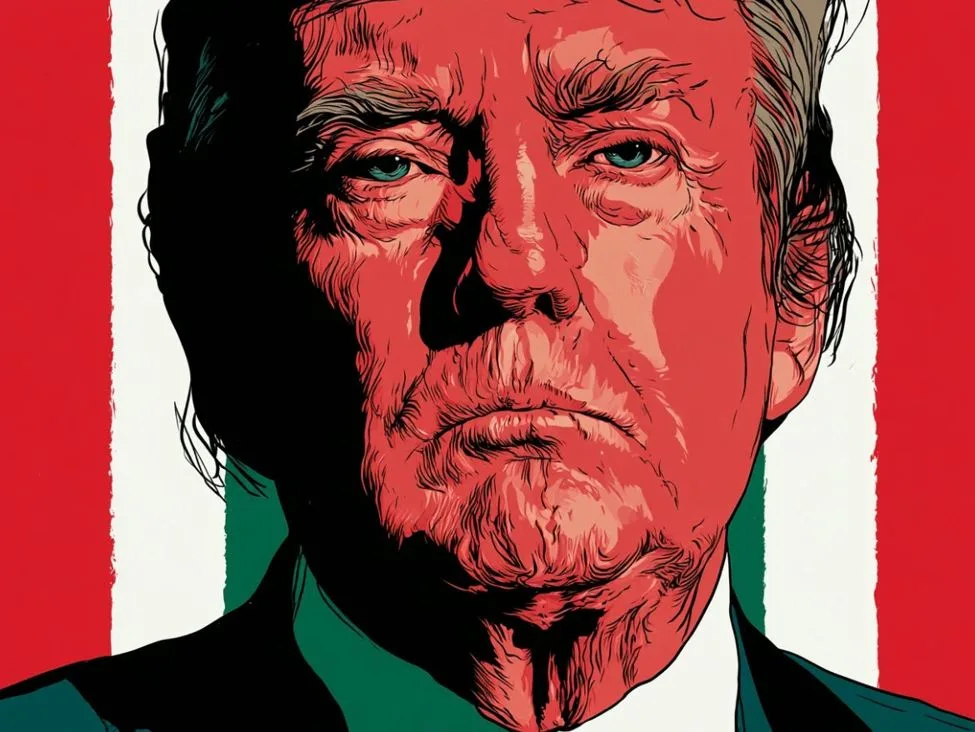
Oil prices surged Monday after the US Treasury Department revoked a key Iran sanctions waiver, sending WTI crude up $3.45 to $72.00 a barrel in a late-session acceleration that signaled growing doubt over any lasting nuclear or trade deal with Tehran. The move came after Iranian forces attacked tankers — an incident that initially drew little market reaction — before afternoon bids picked up steam and the sanctions news broke. A large convoy of Japanese vessels had departed via the Iran corridor the prior day, representing some of the last stranded oil to clear the route, leaving the near-term supply picture uncertain.
US Treasury yields climbed 7 basis points to 4.55% alongside the oil rally, and the dollar posted modest gains, but equity markets struggled. The S&P 500 closed down 0.4% after a volatile session in which chip stocks fell as much as 10%, largely erasing gains made during June. The sharp two-way swings in AI-related names raised questions about whether the current phase of the AI trade is running out of momentum, or at minimum hitting a meaningful pause.
Read more Nvidia Bucks Chip Sector Selloff as Traders Bet on Rebound →
On the economic data front, the New York Fed's latest consumer survey showed one-year inflation expectations rising to their highest level since 2023 — a worrying signal given that expectations for oil-price inflation actually fell, implying broader price pressures are building. The US international trade deficit came in slightly better than forecast at $77.6 billion versus an $78.5 billion estimate, while Canada posted a May trade surplus of $4.24 billion, well above the $2.85 billion consensus. New York Fed President John Williams offered little new guidance, describing the economy as on a steady, trend-like growth path.
In currency markets, the Swiss franc led gains while the New Zealand dollar was the session's worst performer. Gold fell $49 to $4,114, retreating as yields and the dollar firmed. The day's cross-asset moves reflect a market increasingly sensitive to geopolitical risk and inflation signals as the Federal Reserve holds rates steady and trade negotiations remain fluid.
Continue reading at Forexlive.