Oil Prices Hold Steady Despite Iran Missile Strike on Kuwait
Oil has surged over 9% this week as U.S.-Iran military exchanges escalate, yet markets showed little reaction to the latest Kuwait strike.
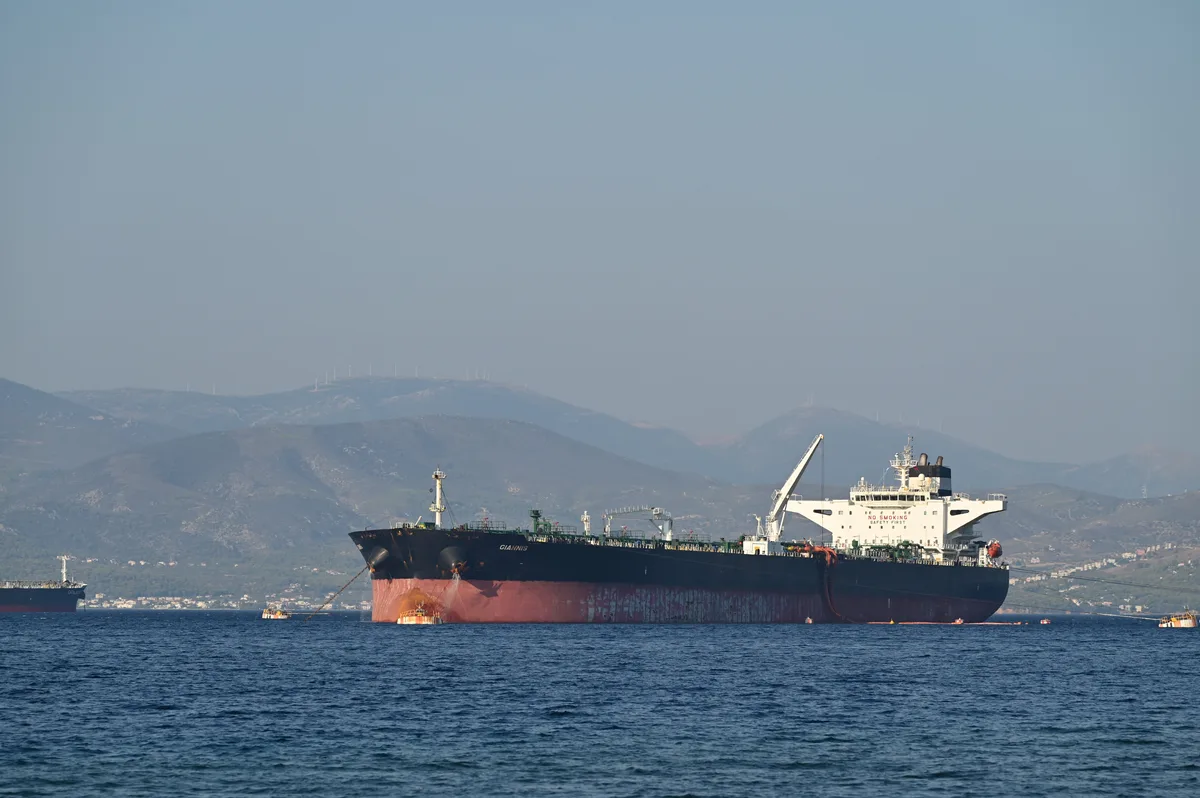
Oil markets held relatively flat after Iran fired missiles at Kuwait, even as crude prices have already climbed more than 9% this week amid a sharp escalation between Washington and Tehran — their first direct military exchange since July. The missile strike on Kuwait marks a significant geographic expansion of the conflict, raising fresh concerns about regional stability in one of the world's most critical energy corridors.
The muted price response suggests traders may have already priced in a substantial risk premium following the earlier rounds of strikes. When Washington and Tehran first exchanged military blows weeks ago, oil markets reacted sharply, but successive escalations appear to be producing diminishing volatility in futures trading — a pattern common during prolonged geopolitical standoffs.
Read more Snowflake's AI Coding Assistant Fuels Surging Stock Gains →
Analysts watching the region will be closely monitoring whether the conflict spreads further, particularly to key shipping lanes in the Persian Gulf through which a significant portion of global crude supply flows. Any disruption to those routes could rapidly translate into additional price spikes beyond what markets have already absorbed this week.
For now, the 9%-plus weekly gain in U.S. oil prices reflects the market's broader reassessment of Middle East risk rather than a response to any single strike. How Washington and Tehran proceed in the coming days will likely determine whether crude prices stabilize or push meaningfully higher, with global energy consumers and policymakers watching closely.
Continue reading at US Top News and Analysis.