Oil Prices Rise After Renewed US and Iran Strikes in Middle East
Crude oil climbed as fresh military exchanges between the US and Iran stoked fears of supply disruptions across the Middle East.
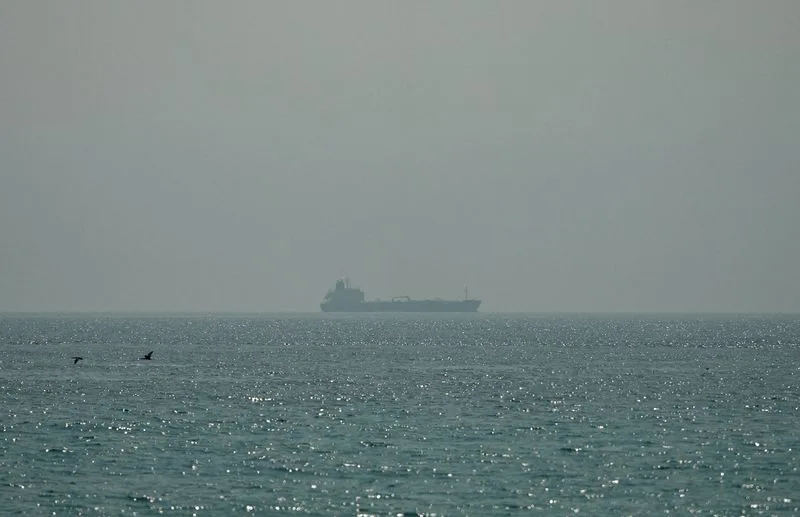
Oil prices surged Monday after the United States and Iran exchanged renewed military strikes in the Middle East, rattling energy markets and pushing traders toward risk-off positions in crude futures. The escalation reignited fears that a broader regional conflict could threaten key shipping lanes and production infrastructure critical to global supply chains.
The latest strikes mark a dangerous new chapter in tensions between Washington and Tehran, with markets responding swiftly to the uncertainty. Analysts note that any sustained disruption to oil flows through the Strait of Hormuz — a chokepoint through which a significant share of the world's seaborne crude passes — could send prices sharply higher in the near term.
Read more Record Debt Issuance of $570B Projected for 2026 Strains Markets →
Energy traders have been on edge for months as geopolitical friction in the region has remained elevated. The renewed hostilities add fresh pressure to an already complex supply picture, with OPEC+ production decisions and global demand forecasts already weighing heavily on price direction heading into the second half of the year.
For consumers and businesses alike, the prospect of higher oil prices carries real economic consequences — from rising gasoline costs at the pump to increased transportation and manufacturing expenses that can feed through into broader inflation. Policymakers at the Federal Reserve and in foreign capitals will be watching the situation closely for any signs of a prolonged supply shock.
Continue reading at Yahoo Finance.