Saab Beats Earnings Forecasts as Europe Rushes to Rearm
Swedish defense giant Saab surpassed analyst expectations amid a surge in European defense orders, prompting its CEO to call for procurement reform.
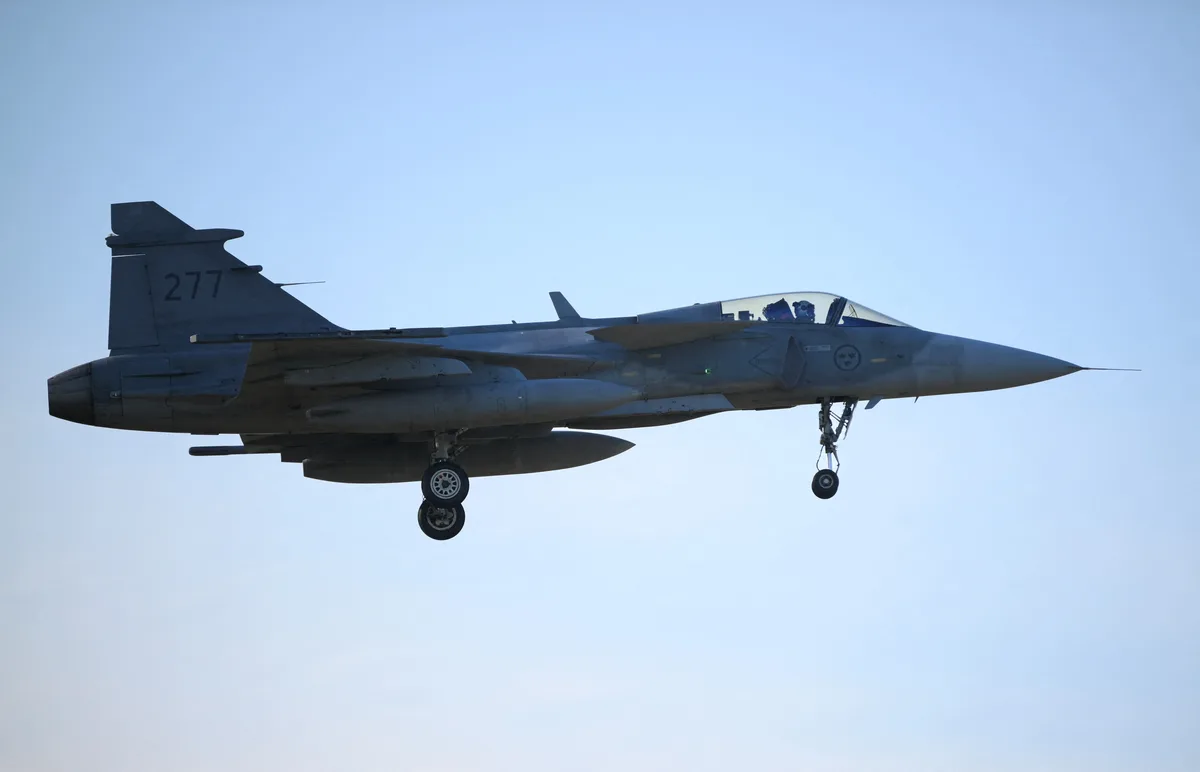
Swedish fighter jet and defense systems manufacturer Saab delivered stronger-than-expected financial results as European governments dramatically accelerated their military spending programs, channeling billions into regional defense contractors rather than waiting on overseas suppliers. The earnings beat underscored how the broader rearmament wave sweeping the continent is translating directly into revenue for companies positioned to meet urgent national security demands.
Saab's chief executive used the occasion of the strong quarterly performance to push for a fundamental rethink of how European nations purchase defense equipment, arguing that procurement systems built for peacetime conditions are too slow and bureaucratic to meet the speed requirements of today's security environment. The call reflects a growing consensus among defense industry leaders that governments must streamline acquisition pipelines if rearmament pledges are to be converted into actual battlefield capability on a realistic timeline.
Read more Personalis Said to Draw Takeover Interest From Merck →
The results highlight a structural shift in European defense markets that has gathered pace since Russia's full-scale invasion of Ukraine forced NATO members to reassess decades of underinvestment in military readiness. Countries across the continent have committed to hitting or exceeding the NATO defense spending benchmark of two percent of GDP, creating a sustained demand environment that industry analysts say could endure for years regardless of short-term geopolitical developments.
Saab, which manufactures the Gripen combat aircraft alongside a range of radar, surveillance, and weapons systems, is among the European defense firms best positioned to absorb increased order flow, given its existing production infrastructure and established relationships with regional governments. The combination of record order books, rising revenues, and executive pressure on procurement reform signals that the company sees the current spending surge not as a temporary windfall but as a long-term realignment of European defense priorities.
Continue reading at US Top News and Analysis.