Space-Based Data Centers Face Four Major Hurdles
Ambitious plans to move data infrastructure into orbit confront serious technical, logistical, and financial barriers.
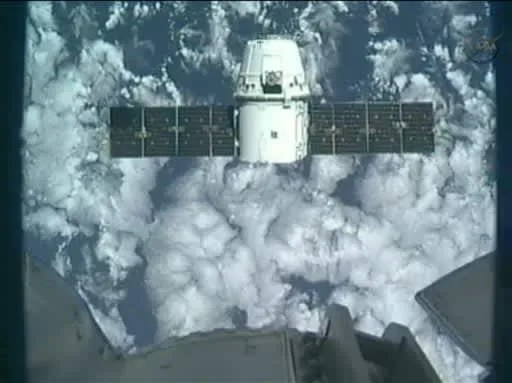
The race to build data centers in space is accelerating, with high-profile figures including Elon Musk pushing aggressive timelines for orbital computing infrastructure. The concept promises to offload massive energy demands from Earth-bound facilities and tap into abundant solar power in low-Earth orbit, but experts and industry analysts warn that significant obstacles stand between ambition and reality.
Four core challenges threaten to slow or derail space-based data center development. These include the extraordinary cost of launching hardware into orbit, the harsh radiation environment that degrades conventional computing components, the latency penalties introduced by transmitting data between ground users and orbital platforms, and the daunting complexity of maintaining or repairing systems that are hundreds of miles above Earth with no easy access.
Read more Private Security Grows Into a $50 Billion Industry in the US →
Musk, whose SpaceX venture has dramatically reduced launch costs through reusable rocket technology, has positioned himself as a central figure in making orbital infrastructure economically viable. Cheaper launches are widely seen as the single biggest lever that could make space-based computing feasible, and SpaceX's Starship program is designed to push per-kilogram costs lower still — though the vehicle remains in active development and testing.
Analysts note that even if launch economics improve substantially, the radiation hardening of computing hardware adds significant per-unit cost, and the thermal management challenge in the vacuum of space is fundamentally different from terrestrial cooling solutions. Data latency between orbital nodes and end users on the ground also remains a structural problem that no rocket can solve on its own.
Whether the timeline Musk has outlined can survive contact with these engineering and economic realities remains an open question for the industry. Continue reading at US Top News and Analysis.