Trump Blasts Supreme Court Ruling on Mail-In Ballots, Pushes Voter ID
Trump called the Supreme Court's absentee ballot decision a 'tremendous loss' and renewed his push for stricter voter-ID legislation.
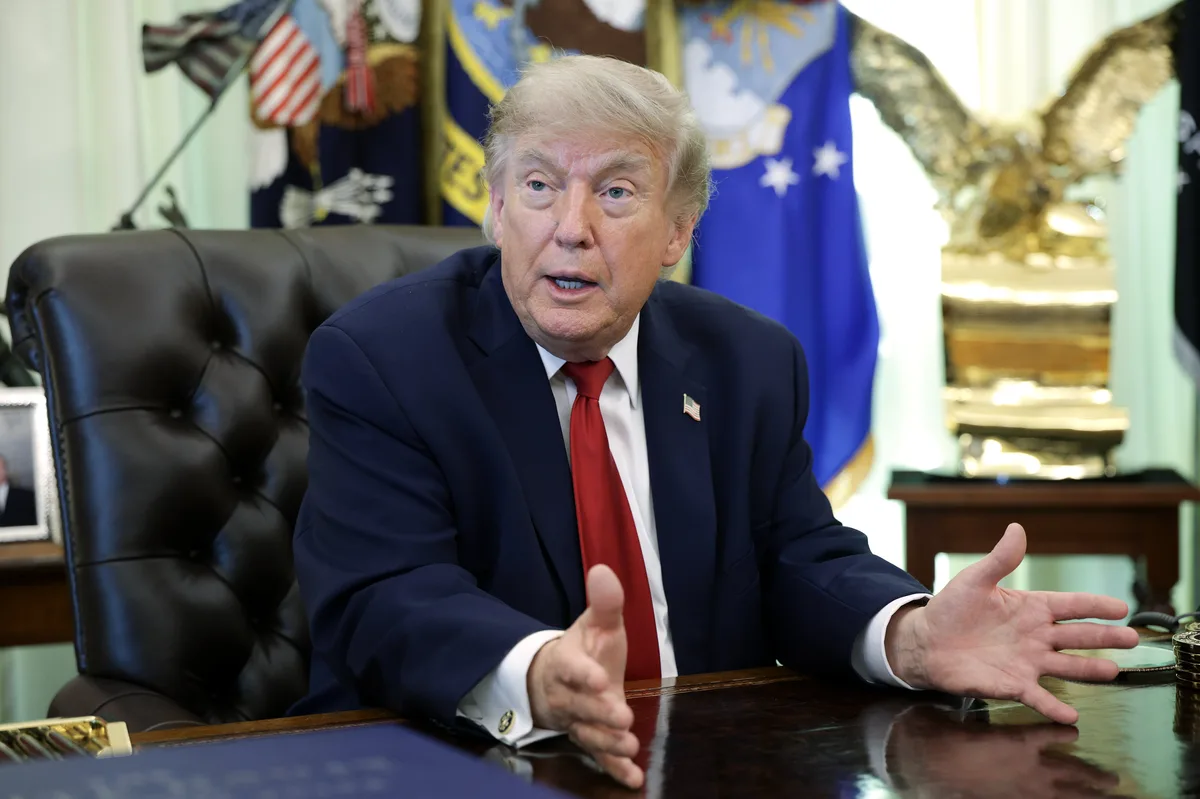
President Donald Trump publicly criticized a Supreme Court ruling he described as a 'tremendous loss,' targeting the high court's decision to allow Mississippi's policy permitting late-arriving absentee ballots to stand. The ruling dealt a blow to arguments that federal law should override the state's practice, leaving Mississippi's rules intact.
Justice Amy Coney Barrett, a Trump nominee confirmed to the bench in 2020, sided against the former president's position by rejecting the federal preemption arguments at the center of the case. The outcome underscored the unpredictable nature of judicial appointees once seated on the nation's highest court, even when nominated by a president with strong views on election integrity.
Read more US and Iran Negotiators Head to Doha for Uncertain Talks →
Rather than accepting the court's decision quietly, Trump used the moment to double down on his longstanding calls for comprehensive voter-ID legislation. The former president has made election security a cornerstone of his political brand, frequently arguing that mail-in voting is susceptible to fraud — a claim election officials across the country have repeatedly disputed.
The ruling highlights the ongoing national tension over voting access and election rules, with states continuing to test the boundaries of what federal statutes permit. Mississippi's late-ballot policy now remains in force following the court's decision, setting a potential precedent that other states may look to as they craft their own absentee voting regulations.
Continue reading at US Top News and Analysis.