Trump vs. Fed: How a Rate Hike Could Reignite Independence Battle
The Fed unanimously raised rates a quarter point, defying Trump's pressure for cuts and setting up a fresh clash over central bank independence.
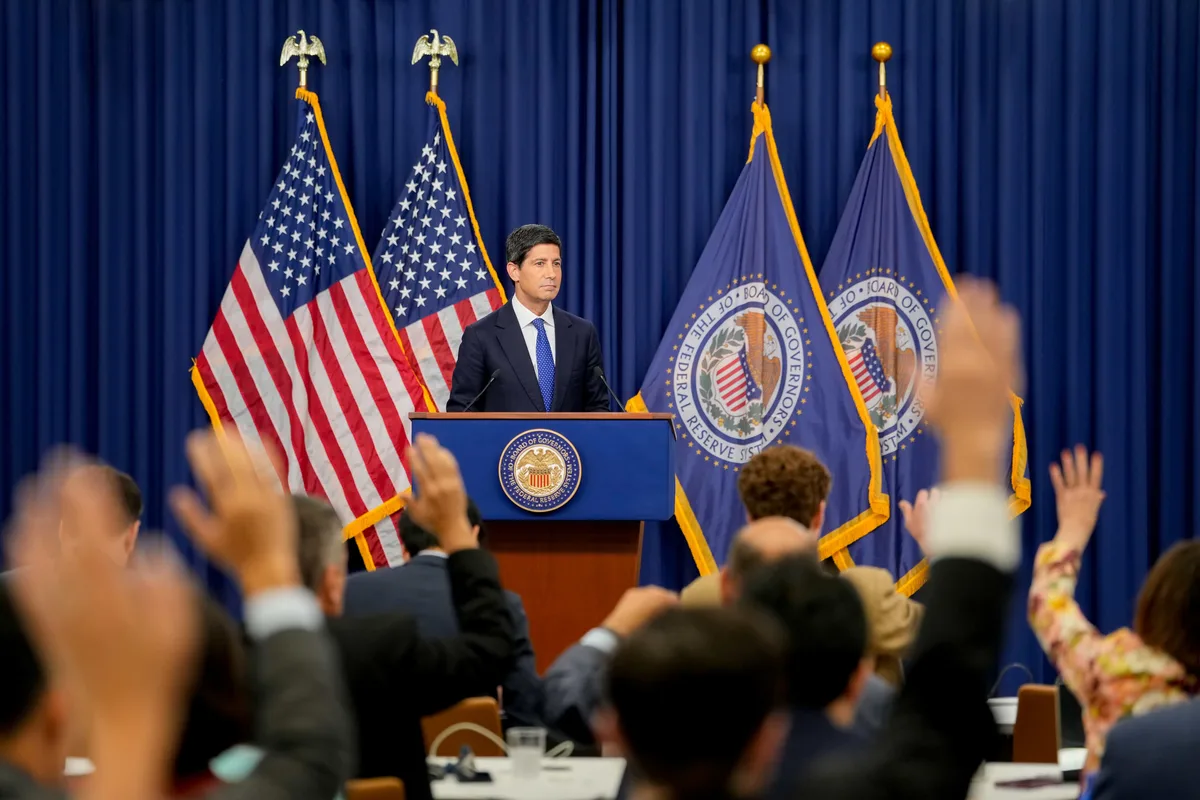
The Federal Reserve voted unanimously to raise interest rates by a quarter percentage point Wednesday, directly defying President Donald Trump's repeated and public demands for lower borrowing costs — and potentially lighting the fuse on a renewed confrontation over the central bank's political independence.
The decision marks a stark collision between the White House and the nation's top monetary authority. Trump has made no secret of his desire for cheaper credit, arguing that lower rates would fuel economic growth and ease pressure on consumers. The Fed, however, signaled that its mandate — controlling inflation while maximizing employment — remains its north star, regardless of executive branch wishes.
Read more Producer Prices Rise 0.4% in August, Matching Forecasts →
At the center of the looming fight is the question of whether Trump will escalate his rhetoric or pursue more structural challenges to Fed autonomy. Analysts have long warned that any administration attempt to exert direct control over rate-setting decisions would rattle financial markets and potentially undermine confidence in the dollar and U.S. debt instruments globally.
The unanimity of the vote is itself a signal. When all Fed governors align publicly against the prevailing political headwinds, it projects institutional resolve — but it also raises the political temperature. A president frustrated by a wall of unified opposition from an independent agency has historically sought other levers, including appointments, public pressure campaigns, or legislative proposals to restructure the central bank's authority.
The standoff underscores a fundamental tension baked into the American economic system: elected officials control fiscal policy while appointed technocrats steer monetary policy — a separation designed to insulate long-term price stability from short-term political incentives. How aggressively Trump presses back against the Fed's unanimous decision will define a critical chapter in that ongoing institutional struggle. Continue reading at US Top News and Analysis.