U.S. Auto Industry Braces for Uncertainty Over USMCA's Future
Automakers face growing uncertainty as the USMCA trade deal's future remains unresolved, with rules of origin at the center of the dispute.
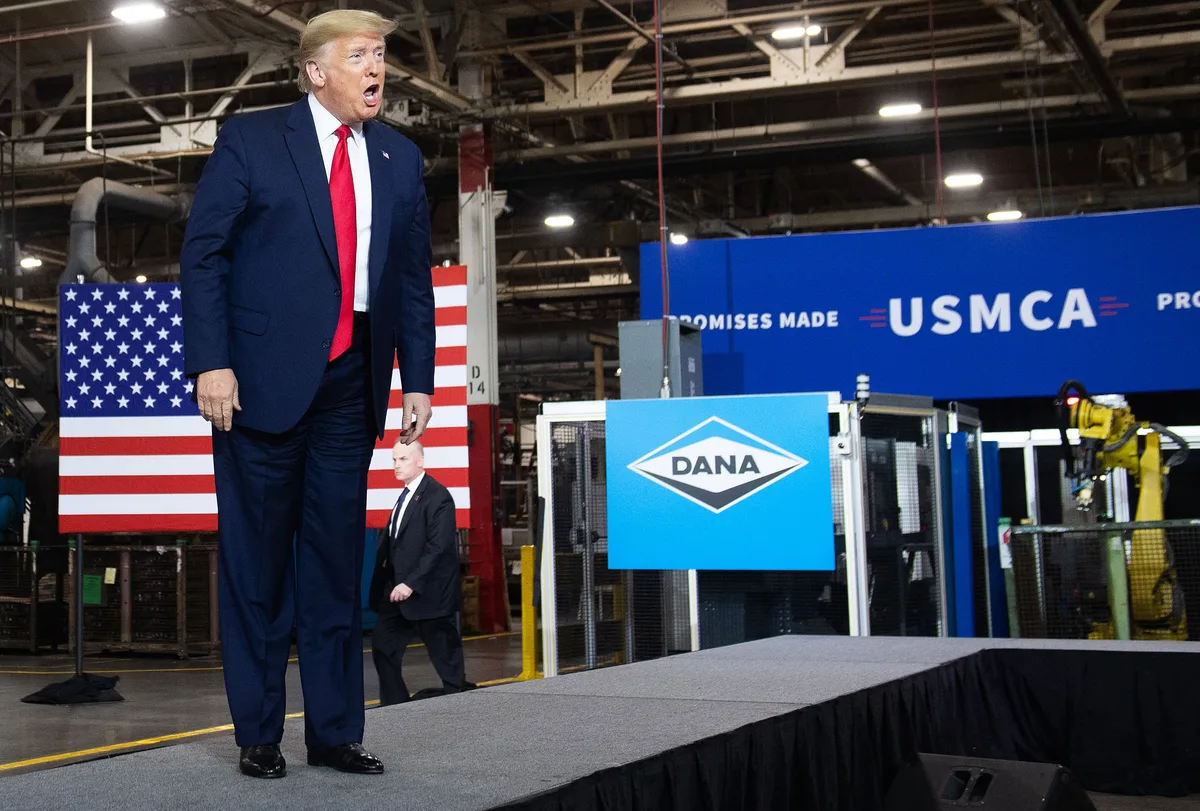
The U.S. auto industry is confronting heightened uncertainty over the fate of the United States-Mexico-Canada Agreement, as manufacturers and trade analysts warn that failure to extend the landmark deal could disrupt production networks spanning all three countries. The stakes are high for an industry that has built its supply chains around the preferential trade terms USMCA provides.
At the heart of the concern are the agreement's rules of origin — the provisions that determine where a product is considered to have been made and, critically, which goods qualify for duty-free treatment under the deal. For automakers, these rules directly govern how much of a vehicle must be sourced from within North America to avoid tariffs, making them a central pillar of manufacturing and sourcing strategies.
Read more Moburst Acquires Hyperzon to Expand Amazon Marketing Capabilities →
Without a clear path to extending or renegotiating USMCA, companies face the difficult task of planning long-term investments while operating under regulatory ambiguity. Automakers typically commit billions of dollars to plant construction and supplier contracts years in advance, meaning that unresolved trade policy can freeze decision-making at a critical moment for the industry's transition to electric vehicles.
Analysts note that the uncertainty compounds existing pressures on the sector, including shifting consumer demand, elevated interest rates affecting vehicle financing, and ongoing supply chain realignment following post-pandemic disruptions. A lapse or weakening of USMCA protections could raise costs for manufacturers and, ultimately, consumers across the continent.
Continue reading at US Top News and Analysis.