UK Retail Sales Cool in June Despite Heatwave and World Cup Lift
British consumers kept spending in June but growth slowed sharply, while businesses urged the incoming PM to cut energy costs.
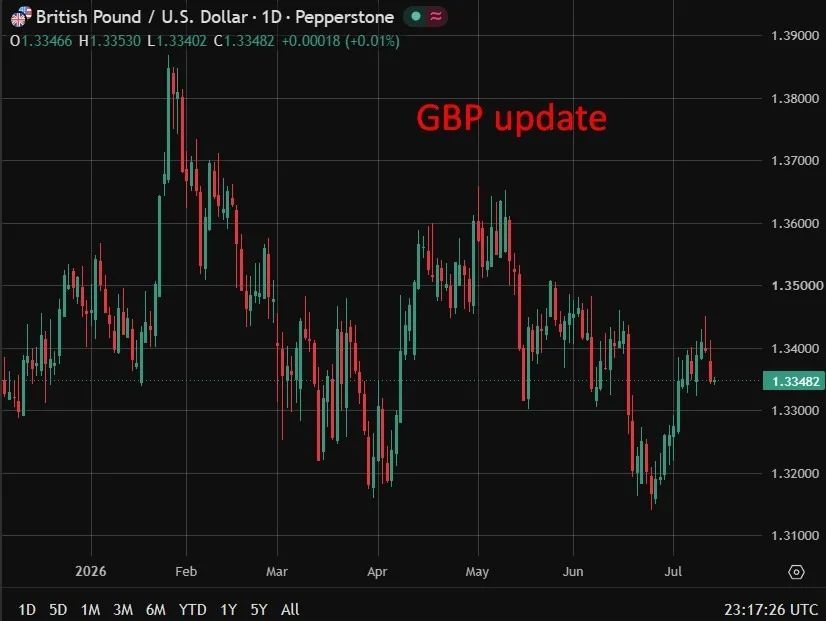
British consumers kept their wallets open in June, propelled by a summer heatwave and men's World Cup fever, but the pace of retail growth decelerated noticeably even with those two clear tailwinds, according to data released Tuesday by the British Retail Consortium and Barclays. BRC total retail sales rose 1.9% year on year — in line with the 12-month average but a steep drop from May's 3.7% — while like-for-like sales slid to 1.7% from 3.4% the prior month. The divergence signals that underlying consumer momentum is softer than headline figures suggest.
Barclays' wider spending gauge offered a slightly brighter picture, climbing 1.9% year on year in June, up from just 0.8% in May, with essential spending posting its strongest rise in 14 months at 2.2%. Hot weather drove demand for clothing, fans and air conditioning units, while pubs cashed in on England's World Cup matchdays. Non-food sales grew 1.2%, double the 12-month average, aided by a surge in online shopping. Travel spending, which had slumped in April and May amid consumer anxiety over the Iran war, also stabilised — a modest but welcome positive.
Read more How AI Is Reshaping Career Paths for Older Workers →
The outlook carries meaningful risks. The Institute of Grocery Distribution flagged that Iran-war-linked food price pressures could squeeze household budgets in the months ahead, even as hot weather and ongoing World Cup matches may temporarily prop up confidence into July. Political uncertainty surrounding the handover of power adds another layer of caution for forecasters watching the consumer.
On the business side, the Confederation of British Industry and Energy UK seized on the leadership transition to press the incoming prime minister — widely expected to be Andy Burnham — on industrial electricity costs. The two groups warned that 40% of firms are already cutting investment because of energy bills running 45% above the G7 median. They called for the Renewables Obligation, Feed-in Tariff costs and the Climate Change Levy to be stripped from business electricity bills, moves they argued could reduce costs by up to 20%. Separately, the TUC pushed for a higher tax on bank profits to fund relief on household energy bills, broadening the political pressure landing on the new government from its very first days in office.
Continue reading at Forexlive.