Big Tech AI Costs Hit Consumers, Sparking Voter Backlash
State regulators are intervening as Big Tech pushes AI grid costs onto ratepayers, putting utility stocks at political risk.
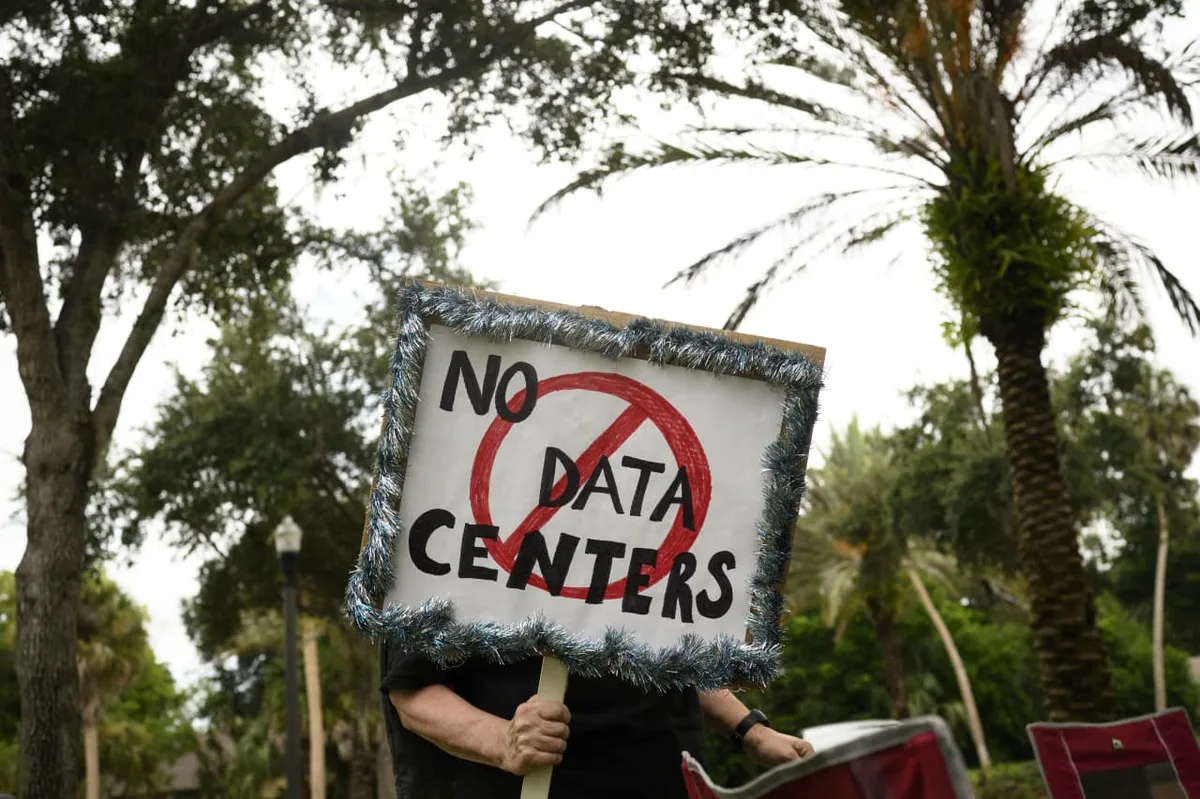
State regulators across the country are stepping in to block Big Tech from passing the cost of its artificial intelligence infrastructure boom onto everyday utility customers, triggering a political fight that could reshape how America's grid expansion gets funded. The core dispute centers on who ultimately pays for the massive power upgrades that data centers and AI operations demand — consumers or the corporations driving that demand.
Utility companies have traditionally recovered infrastructure investment costs by spreading them across their entire customer base, a model that worked when grid upgrades served broad public needs. But as hyperscalers like Amazon, Microsoft, and Google race to build out AI capacity, regulators in several states are questioning whether ordinary ratepayers should subsidize private corporate growth — and voters are increasingly asking the same question.
Read more Binance Android App Vanishes From Google Play in Parts of EU →
The political pressure is creating tangible exposure for traditional utility stocks, which have surged in recent years on the promise of data-center-driven electricity demand. If regulators force tech giants to bear more of the grid build-out costs directly, utility revenue projections tied to that infrastructure spending could face a significant reset, rattling investor confidence in the sector.
The backlash reflects a broader tension in the AI era: the infrastructure required to power machine learning and cloud computing at scale is enormous, but the benefits accrue overwhelmingly to shareholders and corporate customers rather than the residential ratepayers footing the bill. That asymmetry is proving politically untenable in an era of elevated electricity prices and cost-of-living anxiety.
The outcome of these state-level regulatory battles could set national precedents for how grid expansion tied to private technology investment gets financed for years to come. Continue reading at MarketWatch.com