States Push Big Tech to Fund Its Own AI Power Grid Costs
State regulators are shifting AI infrastructure costs onto Big Tech, threatening traditional utility stocks with political fallout.
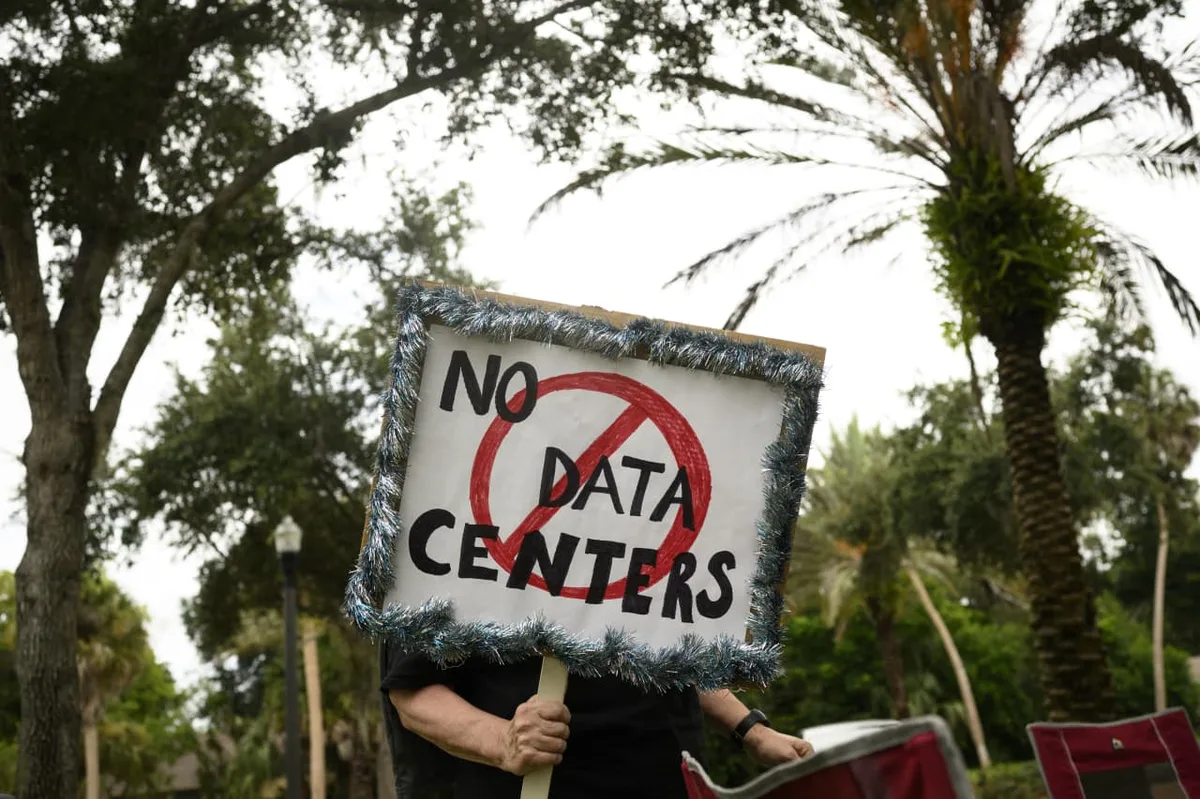
State regulators across the U.S. are moving to make technology giants foot the bill for the massive grid expansions their AI data centers demand, a political shift that could fundamentally reshape how energy infrastructure costs are distributed — and who bears them. The move comes as consumers and elected officials grow increasingly frustrated with rising utility bills tied to Big Tech's insatiable appetite for electricity.
The push reflects a broader voter backlash against allowing ordinary ratepayers to subsidize the power needs of some of the world's most profitable corporations. Regulators are responding to that pressure by revisiting longstanding cost-allocation models that have traditionally spread large infrastructure expenses across entire utility customer bases, regardless of who is actually driving demand.
Read more Binance Android App Vanishes From Google Play in Parts of EU →
For traditional utility stocks, the regulatory pivot introduces meaningful exposure. Utilities that had anticipated recovering grid upgrade costs through standard rate increases now face uncertainty about whether those expenses will be approved — or whether tech companies will be required to pay directly through special tariffs or dedicated interconnection agreements.
The political dynamics are accelerating the debate. Voters in multiple states have signaled opposition to bearing costs linked to AI expansion, giving regulators and legislators cover to impose stricter cost-causation principles on hyperscale data center operators. Analysts warn this could compress utility earnings outlooks if cost-recovery mechanisms are constrained, while simultaneously raising questions about whether Big Tech will scale back grid-intensive AI investments in states that adopt aggressive new rules.
The outcome of these state-level battles could set national precedents for how AI infrastructure growth is financed for years to come. Continue reading at MarketWatch.com