Chinese Lidar Firm Hesai Accused of U.S. Cybersecurity Risk
Hesai Technology, linked to Nvidia, was designated a Chinese military entity by the Pentagon in 2024, raising national security alarms.
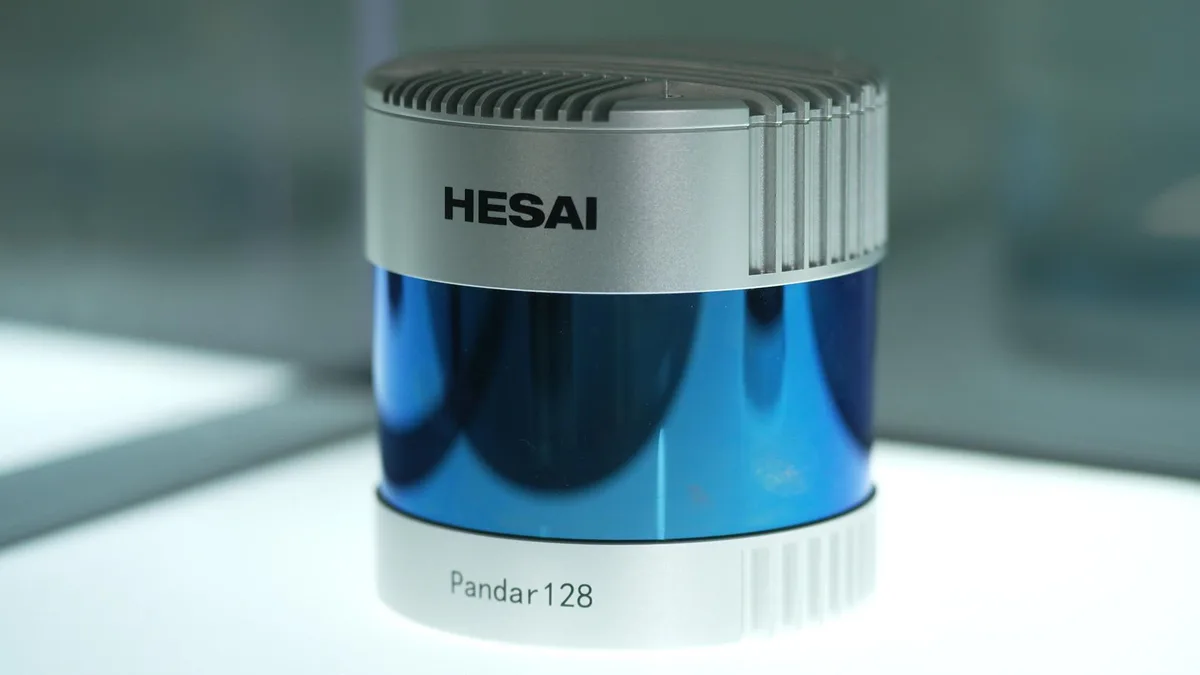
The U.S. Department of Defense blacklisted Chinese lidar manufacturer Hesai Technology in 2024, formally designating the company as a Chinese military entity and flagging it as a national security threat. The move placed Hesai on a Pentagon list that signals serious concern about the firm's ties to China's defense apparatus and its potential risks to American infrastructure and data security.
Hesai's presence on the blacklist carries significant weight given the company's reported connections to Nvidia, one of the world's most prominent semiconductor and artificial intelligence hardware firms. The intersection of cutting-edge sensor technology, AI hardware supply chains, and Chinese military designation has intensified scrutiny of how deeply Chinese tech firms are embedded in U.S.-adjacent ecosystems.
Read more Nigel Farage Resigns UK Parliament Seat, Triggers By-Election →
Lidar — technology that uses laser pulses to map environments in three dimensions — is a critical component in autonomous vehicles, robotics, and a range of defense-relevant applications. A company holding that kind of sensor capability while simultaneously carrying a Chinese military designation raises pointed questions about data collection, potential surveillance risks, and supply chain vulnerabilities for American businesses and government agencies that may rely on such hardware.
The Pentagon's designation does not automatically trigger a federal ban on doing business with Hesai, but it places reputational and regulatory pressure on U.S. firms maintaining commercial relationships with the company. Analysts note that the blacklisting reflects a broader effort by Washington to scrutinize Chinese technology companies with dual-use potential — those whose civilian products could serve military or intelligence purposes. The move is consistent with escalating U.S.-China tech tensions that have already reshaped semiconductor export controls and investment screening.
Continue reading at US Top News and Analysis.