Jaguar Land Rover to Slash 4,000 Jobs in $2.3B Cost Drive
JLR targets £1.7 billion in savings over two years amid Chinese competition, a cyberattack, and U.S. tariff pressure.
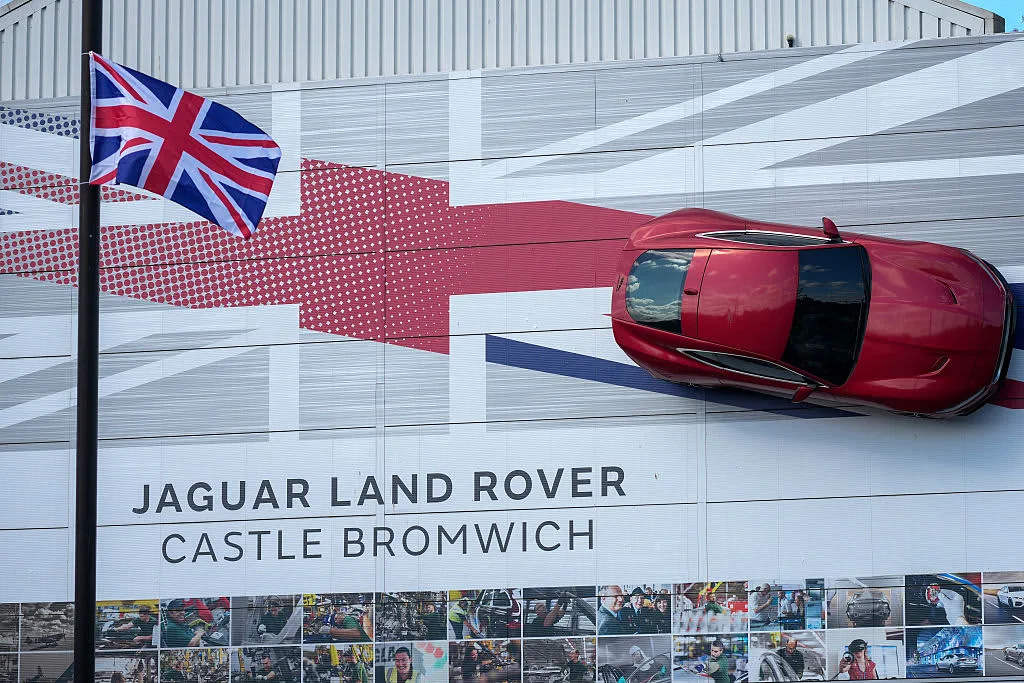
Jaguar Land Rover announced plans Wednesday to eliminate 4,000 jobs over the next two years as the British luxury automaker launches an aggressive cost-cutting campaign worth £1.7 billion — roughly $2.3 billion — in targeted savings. The move marks one of the most sweeping restructuring efforts in the company's recent history and signals mounting pressure on legacy premium auto brands navigating a rapidly shifting global landscape.
The job cuts come as JLR confronts a trio of serious headwinds simultaneously. Chinese automakers have accelerated their push into the luxury segment, eroding market share that European and British brands once dominated without serious competition. At the same time, the company is still working through the fallout of a cyberattack that disrupted operations and complicated its financial planning.
Read more Huawei and Xiaomi Challenge Apple With Foldable Phone Push →
U.S. tariffs add a third layer of strain, raising costs on vehicles and components crossing borders and squeezing margins at a moment when JLR can least afford it. The combination of geopolitical trade friction and intensifying competition from lower-cost Chinese rivals is forcing the automaker to make hard structural decisions rather than wait for conditions to stabilize.
The scale of the savings target — nearly a quarter of what major automakers might spend annually on a single vehicle platform — underscores how seriously JLR leadership views the threat. While the company has not detailed which divisions or regions will bear the brunt of the reductions, a two-year timeline suggests a phased approach designed to minimize immediate operational disruption while still delivering results investors and creditors can measure.
For workers and industry watchers, the announcement raises broader questions about the future competitiveness of traditional luxury marques as electric vehicles reshape consumer preferences and Chinese brands pour resources into high-end segments. Continue reading at US Top News and Analysis.