Trump Proposes 20% Toll on Hormuz Cargo, Restarts Iran Blockade
President Trump wants a 20% levy on all cargo transiting the Strait of Hormuz and has restarted a blockade targeting Iran amid escalating tensions.
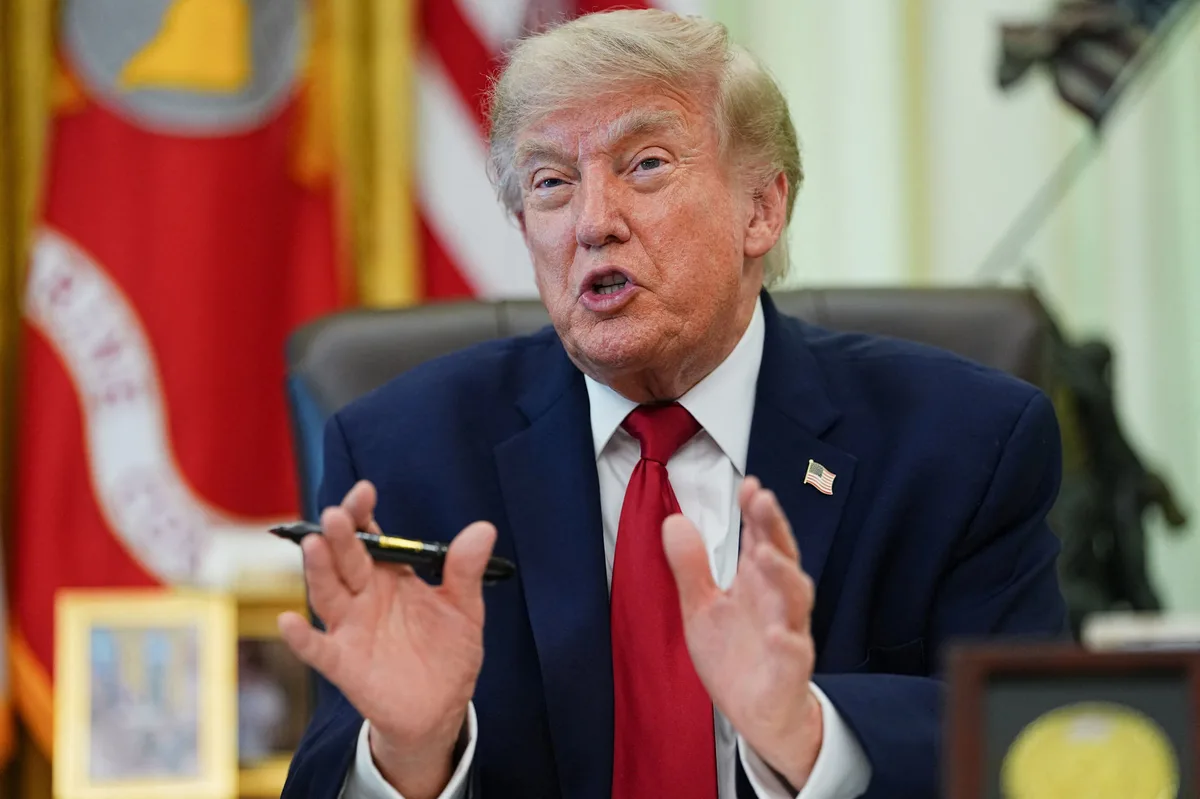
President Donald Trump proposed a sweeping 20% toll on all cargo passing through the Strait of Hormuz on Monday, a dramatic economic pressure move that coincides with the restart of a U.S. blockade targeting Iran, according to reports from US Top News and Analysis. The announcement marks a significant escalation in the ongoing conflict between the United States, Israel, and Iran.
The Strait of Hormuz sits at the center of global oil logistics, serving as one of the most critical maritime chokepoints on Earth. A significant share of the world's seaborne petroleum transits the narrow waterway daily, meaning a 20% cargo toll — if implemented — could send shockwaves through energy markets and ripple across global supply chains almost immediately.
Read more Trump Proposes 20% Toll on Hormuz Strait Cargo, Restarts Iran Blockade →
The dual moves — a financial toll and a reimposed naval blockade — signal that the Trump administration is pursuing a maximum-pressure economic and military strategy against Tehran simultaneously. Analysts would likely view such a toll as an unprecedented assertion of American control over international waters, raising immediate questions about legal authority, enforcement mechanisms, and the reaction of major oil-importing nations including China, India, and Japan.
The restart of the Iran blockade further tightens the noose on Iranian oil exports, which Tehran relies on heavily to fund its government and military operations. The combination of a shipping toll and a naval blockade could dramatically curtail Iran's ability to conduct or finance regional operations through allied proxy forces.
The geopolitical stakes are exceptionally high: any disruption to Hormuz traffic risks spiking global crude prices and destabilizing economies that depend on stable energy imports. World governments and markets will be watching Washington's next moves closely. Continue reading at US Top News and Analysis.