U.S. Strategic Oil Reserves Near Capacity Amid Equipment Failures
The Strategic Petroleum Reserve faces dangerously low stockpiles compounded by equipment failures, leaks, and spills, a government report reveals.
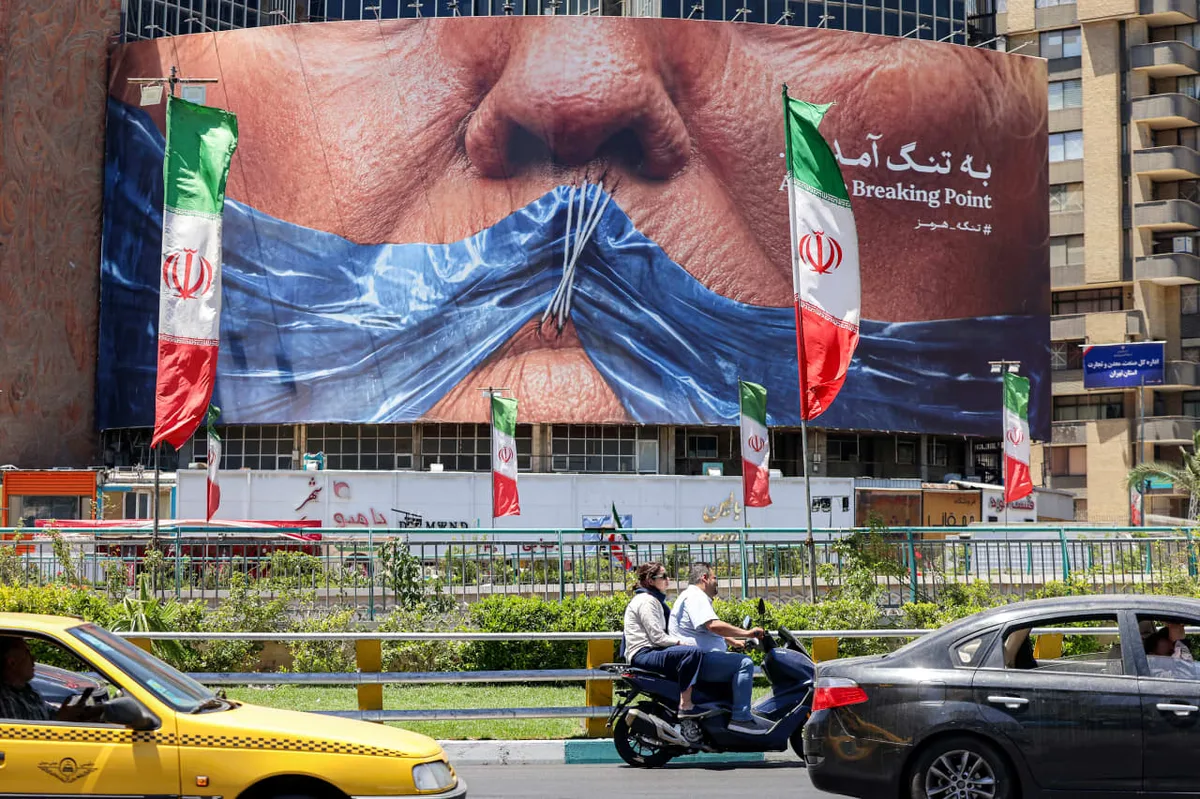
The United States is pushing its Strategic Petroleum Reserve to its limits even as a government report warns that the critical emergency stockpile has been battered by major equipment failures, leaks, and spills — raising urgent questions about the nation's energy security buffer at a moment of heightened geopolitical tension.
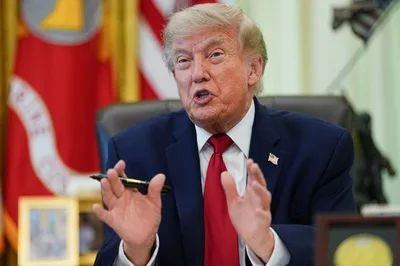
President Trump has vowed to assert U.S. control over the Strait of Hormuz, the narrow waterway through which a significant share of the world's oil supply flows, adding fresh urgency to concerns about domestic fuel reserves. The SPR exists precisely to cushion the American economy against sudden supply disruptions, making its compromised condition a strategic liability.
Read more Trump Proposes 20% Toll on Hormuz Strait Cargo, Restarts Iran Blockade →
The government report paints a troubling picture of infrastructure that appears to be straining under operational stress. Equipment failures, along with reported leaks and spills at reserve facilities, suggest the stockpile's readiness to respond to an energy emergency may be less reliable than policymakers and markets assume.
Analysts watching the intersection of energy policy and geopolitics warn that a depleted and mechanically troubled reserve, combined with an aggressive posture toward one of the world's most critical oil chokepoints, creates compounding risk. Any disruption in Hormuz transit could send oil prices sharply higher at the same moment the U.S. safety net is least equipped to absorb the shock.
The convergence of a maxed-out reserve, documented infrastructure problems, and an escalating foreign-policy stance underscores how fragile America's short-term energy resilience may be. Continue reading at MarketWatch.com.